Beginner / simpler travel days
Best for:Prioritize easy travel days, self-contained setup, and fewer towing variables.
Start with:Open this rig pathScenario-first rig reviews for fifth wheels, toy haulers, motorhomes, and trailers through the lens of tanks, payload, floorplans, and upgrade headroom.
Scenario selector
Rig shopping gets easier when travel pattern comes first: tanks, payload, storage, workspace, upgrade headroom, and driving stress all change by scenario.
Prioritize easy travel days, self-contained setup, and fewer towing variables.
Start with:Open this rig pathStorage, tanks, seating, and service access matter more than showroom drama.
Start with:Open this rig pathLook for real desk space, power headroom, signal setup options, and noise separation.
Start with:Open this rig pathSeparate sleeping zones, storage, wet-bath reality, and rainy-day space become the constraint.
Start with:Open this rig pathKeep tow vehicle payload, water weight, and cargo capacity in the same decision.
Start with:Open this rig pathInspection access, roof condition, tanks, and service history matter before floorplan charm.
Start with:Open this rig pathToy haulers can solve storage and create payload, ramp, and living-space tradeoffs.
Start with:Open this rig pathRig-fit scorecard
Use this before the longer guides so you can narrow the best rig class early.
Rig fit scorecard
Use this as a first filter before falling in love with a floorplan. It does not replace tow ratings, payload math, inspections, or test drives, but it helps narrow the right shortlist.
Best starting fit
Runner-up: Toy hauler. Use both as comparison options before shopping specific floorplans.
Before you shop listings
Confirm payload, hitch weight, tank sizes, roof space, service access, and where the batteries will actually live. A good floorplan can still be a bad off-grid platform.
Class comparison
Use this as a first-pass scorecard, then open the guide that matches your travel style.
Compare
Decision matrix
Small screens stack each row; wider screens keep the first column pinned.
| Decision factor | Travel trailer | Fifth wheel | Class C | Toy hauler |
|---|---|---|---|---|
| Tanks | Often modest | Usually stronger | Varies widely | Strong but payload-sensitive |
| Payload / headroom | Tow vehicle can be the limiter | Watch pin weight | Chassis payload matters | Garage loads change everything |
| Workspace | Dinette or bed conversion | Best dedicated zones | Compact but self-contained | Garage can become an office |
| Storage | Limited exterior space | Strong basement storage | Mixed exterior bays | Excellent bulky-gear space |
| Serviceability | Simple systems | More complex but accessible | Drivetrain plus house systems | Ramp and garage systems add checks |
| Upgrade headroom | Roof and payload constrained | Good roof and bay options | Roof space can be crowded | Good space if payload allows |
| Driving stress | Tow setup matters most | Big but stable when matched well | Easiest one-piece travel | Long and weight-sensitive |
Key takeaways
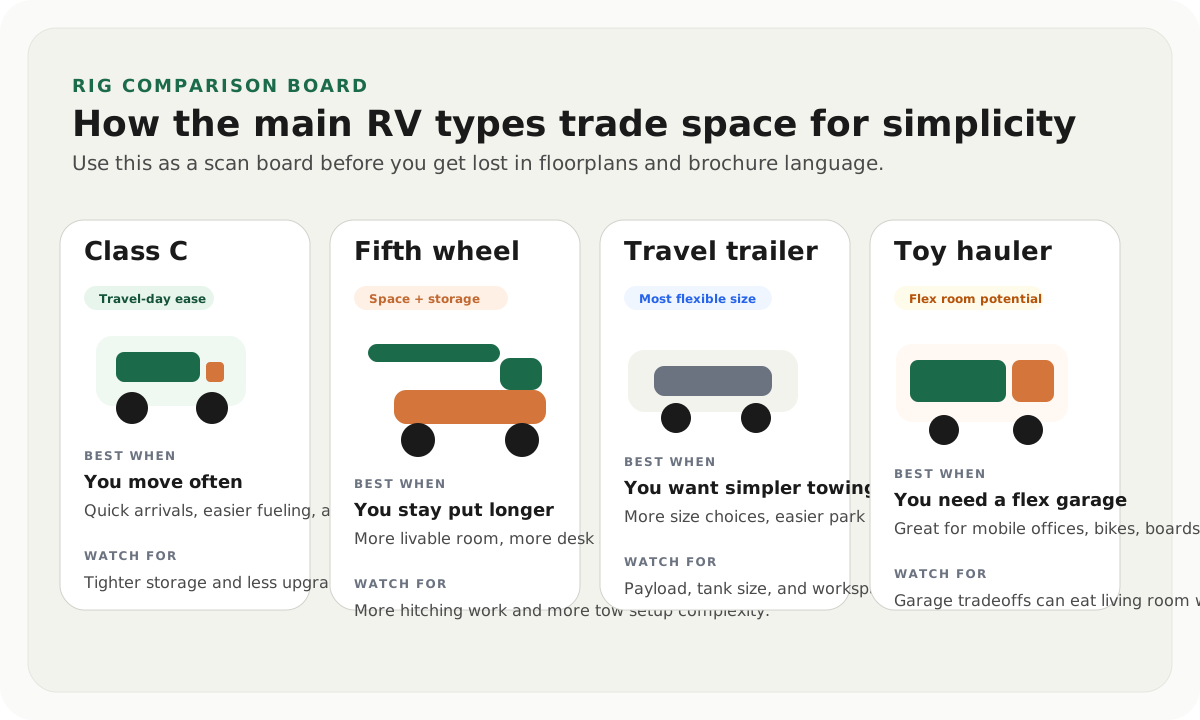
Most RV review content is written like a dealership walk-through.
That is not very helpful once the real questions show up:
This hub is built around those questions instead.
If you are early in the search, start with the comparison pages before opening individual shortlists. The Class C vs fifth wheel guide helps separate driving comfort, tow-vehicle needs, living space, service access, and daily setup friction. The travel trailer beginner guide is better when the priority is a lighter towable with enough tank, payload, and solar headroom for first off-grid trips.
If you are already shopping used, jump to the rig type and keep the used RV inspection checklist open in another tab. Shortlists are for narrowing the field. Inspection is where the deal becomes real.
Rig reviews on OffGridRVHub start with the parts of ownership that compound over time:
Official checks behind rig reviews
A rig shortlist is only useful if it leads to verification. These official resources shape the inspection and safety checks behind the rig-review library.
Compare
Compare fast
Use one comparison matrix to scan the practical differences. Small screens stack each row; wider screens keep the first column pinned.
| If you are deciding | Use this path | Main thing to verify |
|---|---|---|
| Motorhome or trailer | Class C vs fifth wheel comparison | Driving comfort, tow vehicle, service access, and living space tradeoffs |
| Used motorhome | Used Class A or Class C shortlist | Chassis health, roof leaks, tires, generator, and house systems |
| Full-time fifth wheel | Used fifth wheel shortlist | Pin weight, truck match, slides, roof, basement access, and tanks |
| Boondocking trailer | Travel trailer under 5,000 pounds guide | Payload, water, ground clearance, solar prep, and tow margin |
| Remote-work toy hauler | Used toy hauler shortlist | Garage payload, ramp condition, tie-downs, heat, noise, and office conversion |
If you are still narrowing the rig type, start with the type comparison first.
If you already know the category, open the guide that matches the use case:
The goal is not to crown one universal winner.
The goal is to help you buy the rig that still makes sense after the first month, the first repair day, and the first season of real travel.
The first number is payload or cargo carrying capacity. That is the margin for people, water, tools, batteries, bikes, food, hoses, office gear, and everything that did not exist in the brochure photo. Dry weight is not the camping weight.
The second number is water capacity, especially when fresh and gray tanks are badly mismatched. A big fresh tank feels useful only if gray capacity, toilet strategy, and refill access support the same stay length. If water is the deciding factor, pair the rig review with the water calculator before assuming a bigger trailer automatically camps longer.
The third number is service and upgrade headroom. Roof space, battery compartment size, alternator charging options, inverter location, basement access, tire age, and axle capacity all decide whether a rig can grow with you. That is why a smaller, simpler rig can sometimes be the better off-grid choice than a prettier floorplan that is already maxed out.
A floorplan that feels great on vacation can be frustrating as an office. Look for a real desk surface, a chair position that does not fight the walkway, a place for screens, a quiet-enough call zone, and enough power for a full day. The remote-work floorplan guide is the better next step when the rig has to support income, not just travel.
This is also where toy haulers and fifth wheels need a sober look. A garage can become an excellent office, but only if heat, cooling, ramp condition, tie-downs, noise, and cargo payload still work. A fifth wheel can feel residential, but only if the truck match and pin weight stay honest.
Do not fall in love with the floorplan before you check the sticker, the roof, the tires, and the systems. The pretty parts are easy to see. The expensive parts are often hidden in pin weight, cargo carrying capacity, delamination, old sealant, soft floors, slide behavior, and neglected running gear.
That is why the used RV inspection checklist is a hub-level tool, not an afterthought. Every shortlist should eventually turn into a physical inspection.
Frequently asked
Start with payload, tank capacity, storage, roof space, electrical upgrade room, and whether the floorplan still works after normal gear is loaded. Brochure dry weights and pretty interiors are not enough.
Used can be a strong value if inspection discipline is good. The risk is inherited roof, chassis, slide, tire, electrical, and water-damage problems that erase the savings fast.
A good remote-work rig has a real desk zone, enough battery margin for workdays, manageable noise separation, reliable mounting options for internet gear, and a layout that still functions when someone else is moving around.
Choose what you need next
Use these groups when you want the primer, the comparison, or the calculator without scanning every guide.
Learn the system
Foundational explainers and planning guides that make the rest of the topic easier to understand.
Compare options
Buyer guides and tradeoff-focused reads for choosing between approaches, products, or upgrade paths.
Recent updates
Start with the most recently updated guides in this topic.
Fast comparisons
These are the structural RV choices that usually decide whether the next rig feels calm to live with, easy to upgrade, and realistic for the places you want to camp.
Rig type
Class C vs fifth wheel
Family layout
Toy hauler vs bunkhouse logic
Under 5,000 lb
Lightweight travel trailer tradeoffs
In this topic
This index is generated from the full published rig reviews library, not a hand-picked preview.
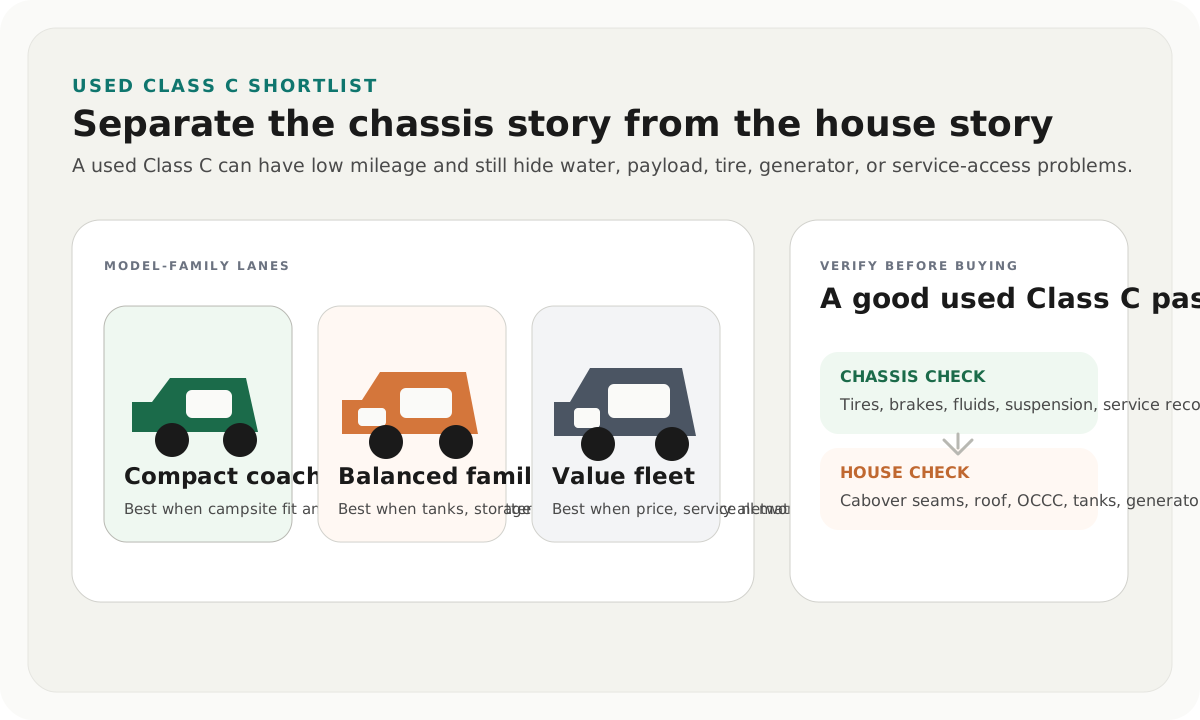
A sticker-first used Class C motorhome shortlist for boondocking shoppers, covering model-family lanes, OCCC, tanks, cabover leaks, generator checks, tires, and service risk.
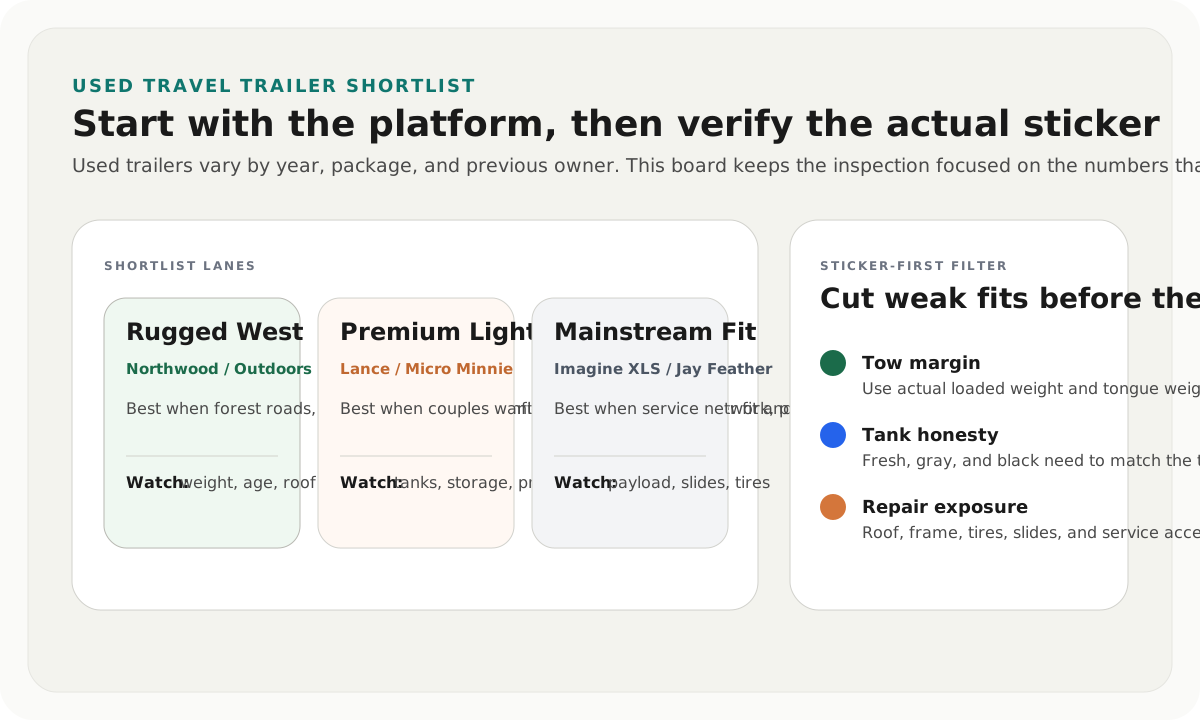
A sticker-first used travel trailer shortlist for boondocking shoppers, including model-family lanes, tank targets, tow margin, storage, and inspection watchouts.
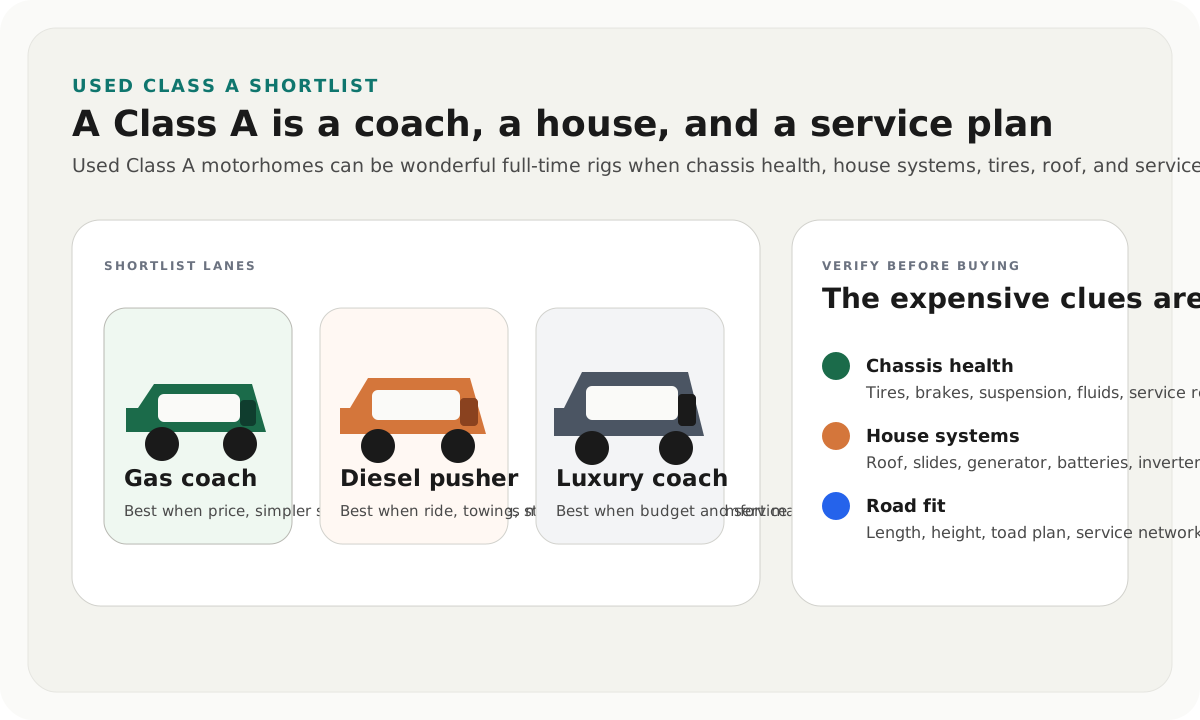
A pre-inspection shortlist of used Class A coaches with the chassis, tank, and service-budget checks that should change your offer.
A practical guide to Class C motorhome profiles that work best for first boondocking trips, including length, tanks, OCCC, storage, solar headroom, and service tradeoffs.

A model-based guide to fifth wheels for full-time off-grid living, including tanks, cargo capacity, roof solar room, desk fit, and upgrade headroom.
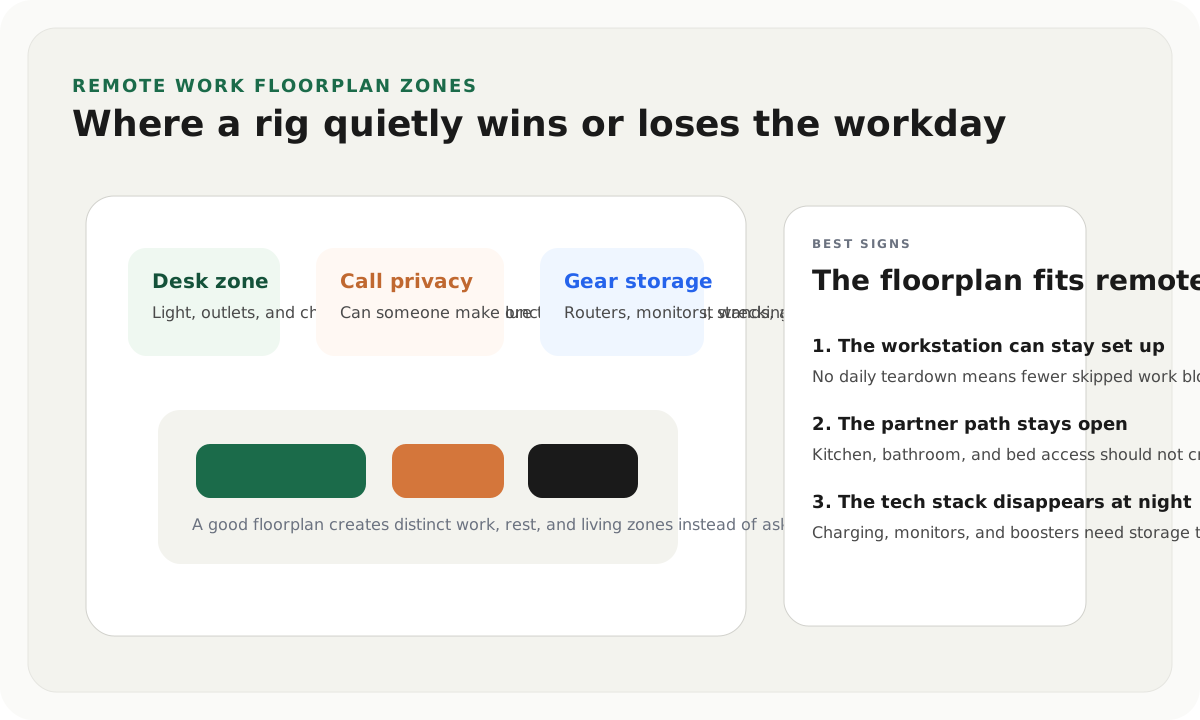
A practical guide to RV floorplans for remote-working couples, including exact model examples, desk zones, call privacy, partner flow, storage, and power/internet planning.
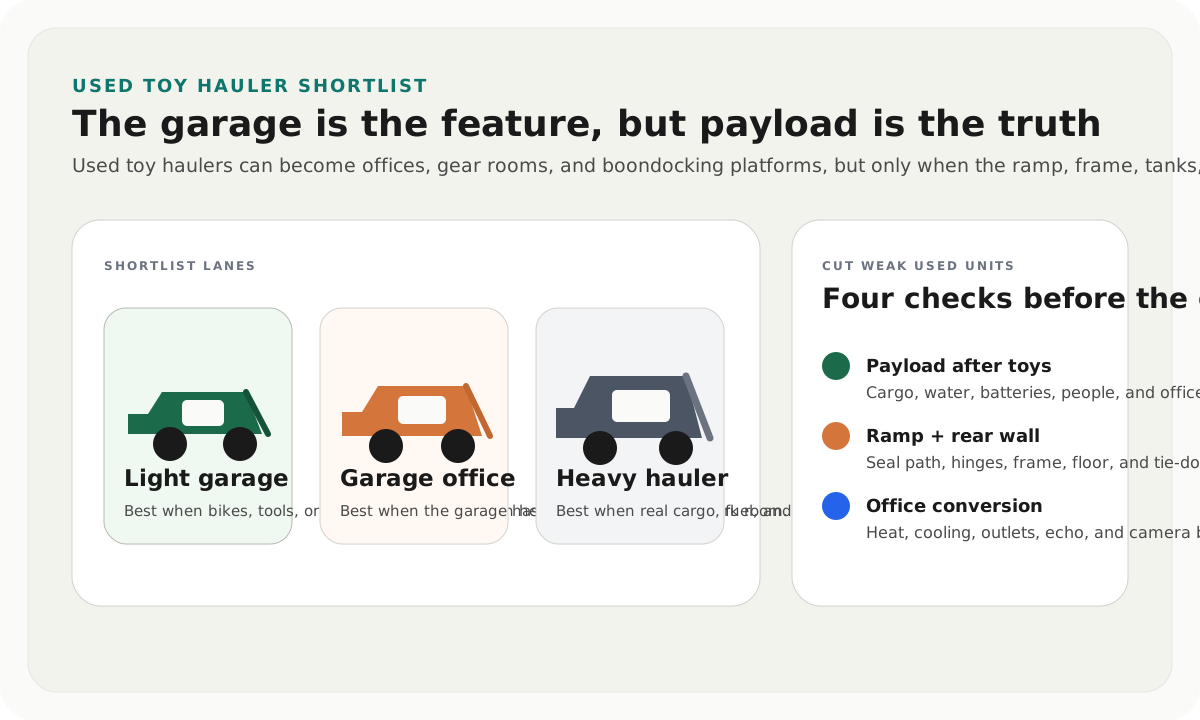
A practical shortlist of toy haulers that work for remote workers, with garage-office fit, tanks, payload, power planning, and model-specific tradeoffs.
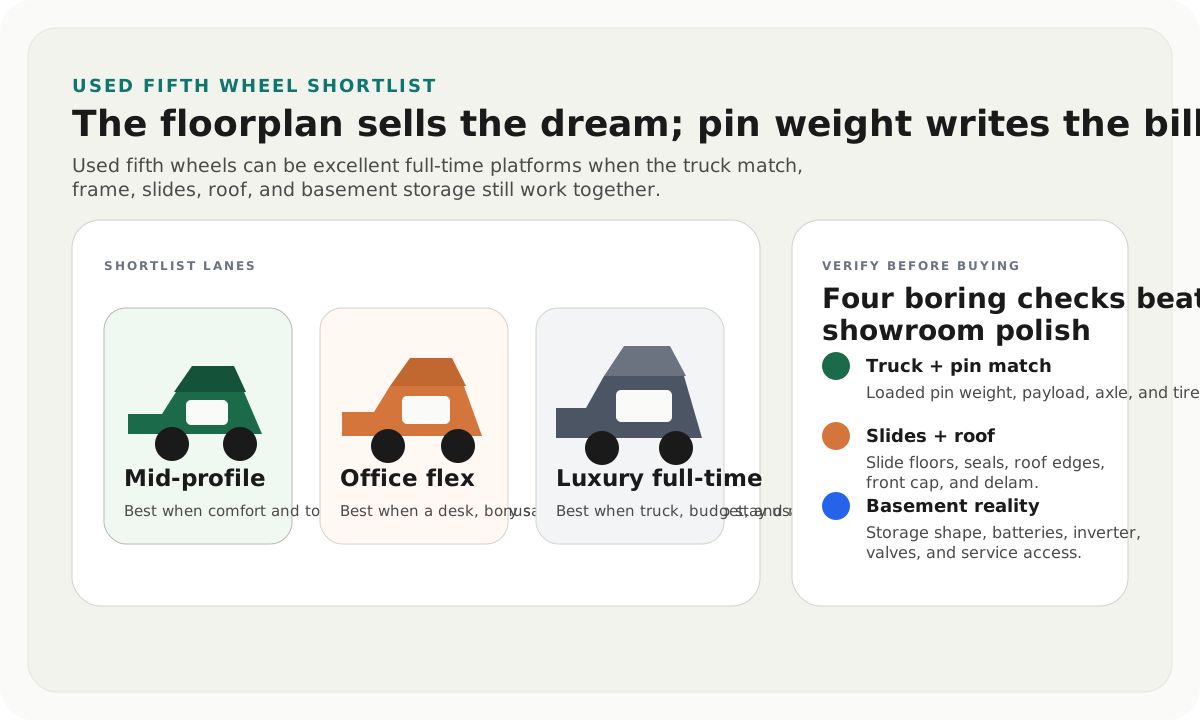
A sticker-first used fifth wheel shortlist for full-time RV living, including model-family lanes, pin weight, truck match, slides, roof condition, tanks, storage, and inspection risk.
A sticker-first used toy hauler shortlist for boondocking and remote-work shoppers, covering garage length, payload, ramp condition, tanks, office conversion, and inspection risk.
A practical comparison of Class C motorhomes and fifth wheels for full-time RV living, including tanks, setup friction, living space, service days, office potential, and upgrade headroom.
A practical guide to choosing an RV floorplan that supports meetings, focused work, power planning, and normal life without turning the whole rig into a compromise.
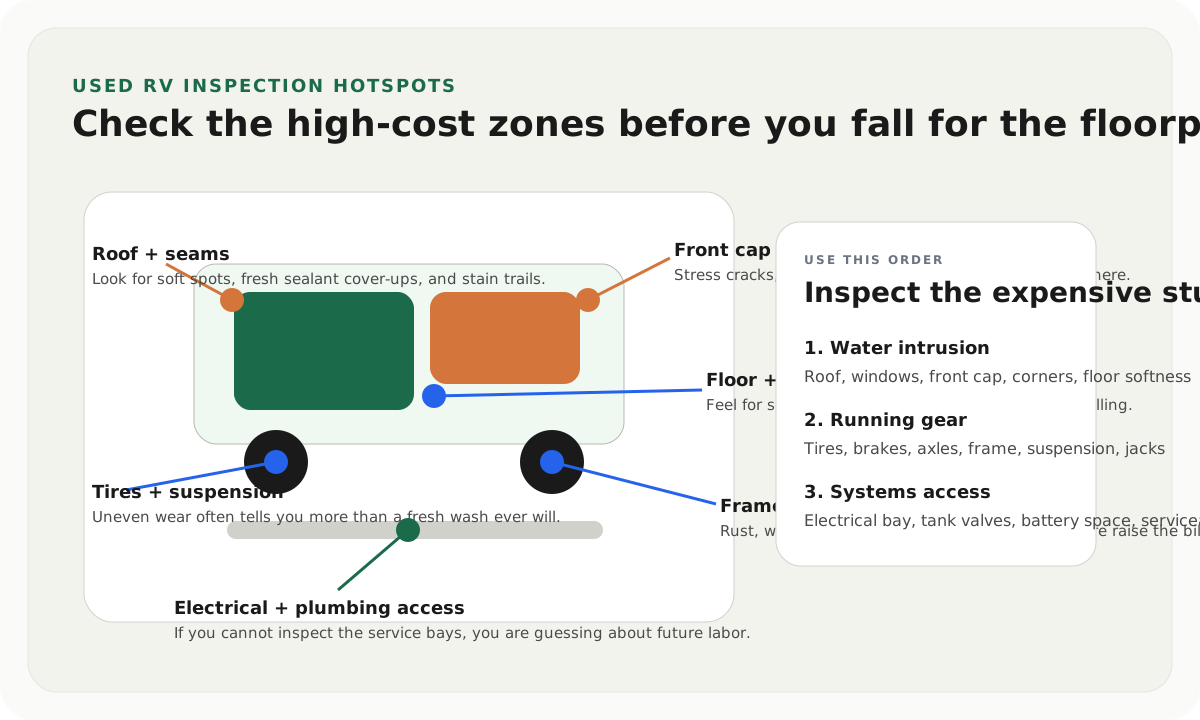
A practical used-RV inspection guide covering the expensive trouble spots on travel trailers, fifth wheels, motorhomes, and toy haulers before you fall for the floorplan.
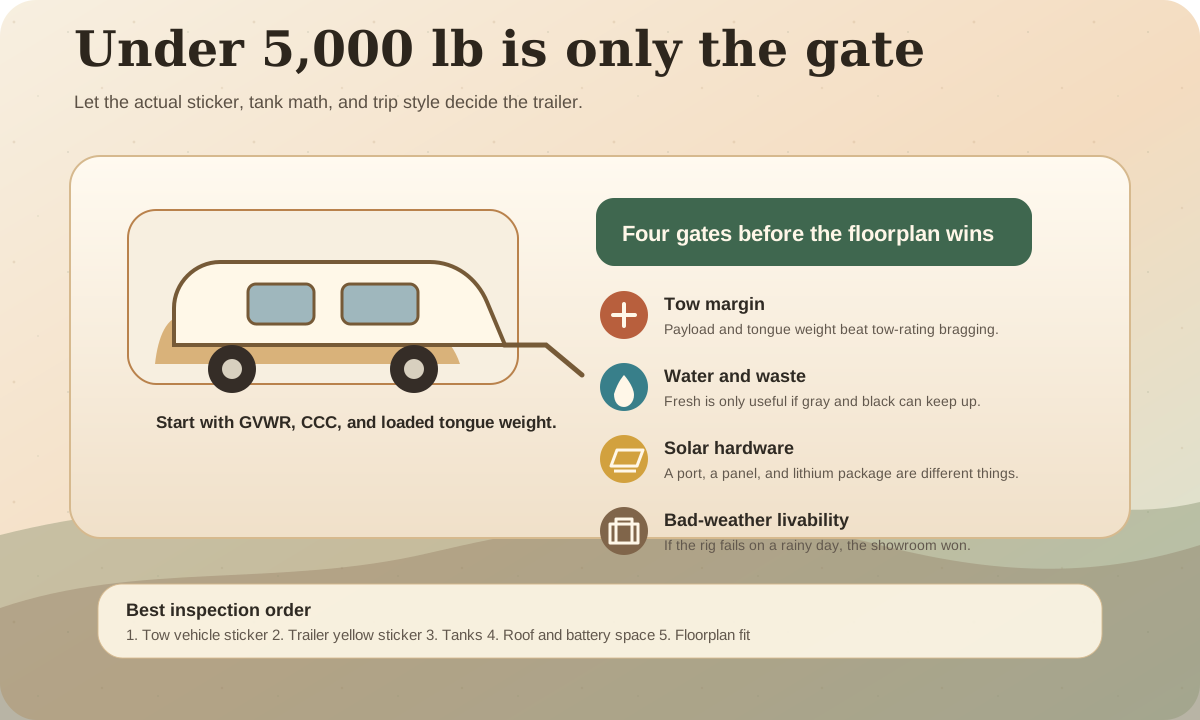
Seven sub-5,000-lb trailers compared on whether your truck can actually tow them loaded, plus tanks, solar room, and floorplan fit for a week off-grid.