Safety checks used for this checklist
These official references do not replace your RV manuals, but they help keep the checklist grounded in tire, generator, and carbon-monoxide safety.
Pre-arrival checks
Before departure
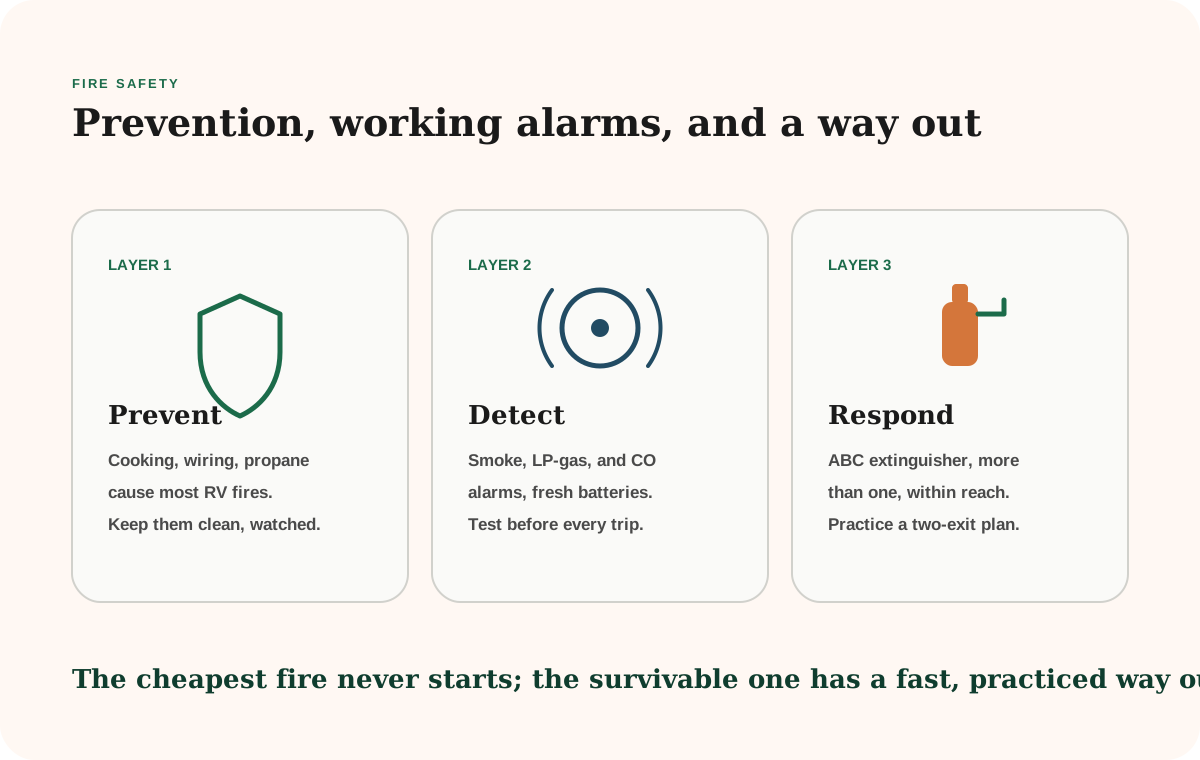
Confirm alarms work, tires are cold-checked, generator use is outside and away from openings, and the route has a real exit if weather changes.
What should you check before boondocking?
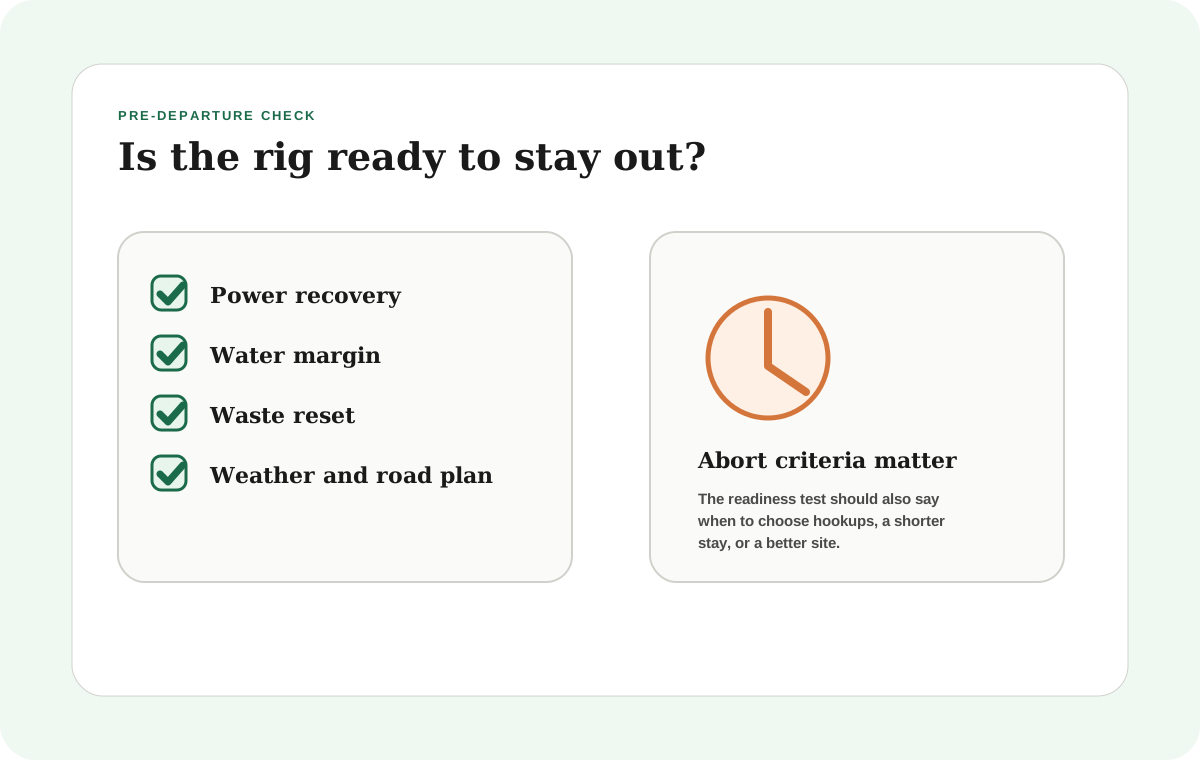
Before boondocking, confirm battery charge, water level, waste capacity, propane or heat plan, tire condition, route access, weather, legal campsite status, working safety alarms, and a backup exit plan. If one of those is uncertain, solve that bottleneck before adding more gear.
Use this checklist differently than a packing list. A packing list asks, "Did I bring the thing?" A readiness checklist asks, "Can this trip safely work with the rig, weather, road, and resources I actually have?"
If you are still learning the basics, read the boondocking beginner guide first. If you already know the destination, run the stay length calculator so the checklist is tied to a real number of nights.
Check the trip-stopper first
Before working through the full checklist, name the thing most likely to cut this specific trip short. Fix that one before packing more gear.
Power trip-stopper
Battery starts low or recovery is vague
Run the power math before leaving if furnace, fridge, laptop, or inverter use matters.
Water trip-stopper
Gallons per day are guessed
Carry extra drinking water, shorten the stay, or choose a known refill route.
Road trip-stopper
No known turnaround before camp
Do not learn the road, grade, clearance, and exit plan after dark.
Safety trip-stopper
Tires, alarms, or generator placement are uncertain
Treat these as no-go checks, not comfort upgrades.
Use the checklist in two passes
The first pass happens before you leave home or the last easy service stop. That is where you confirm charge levels, tank status, propane, tires, tools, maps, weather, and safety gear.
The second pass happens when you reach camp. That is where you decide whether the site still matches the plan.
At camp, check:
- sun exposure if solar matters
- level and ground firmness
- signal before you unpack deeply
- wind direction and fire restrictions
- neighbor spacing and generator etiquette
- drainage paths if weather is possible
- whether the exit path stays clear
The second pass matters because a route can be legal and still be wrong for that night. Shade, wind, mud, weak signal, or crowding can all turn a "good on paper" site into a poor camp.
Go/no-go thresholds
These are practical trip-planning triggers, not universal rules. Adjust them to your rig and tolerance.
Battery
Start full or explain why not
A partial bank is fine only if the stay, weather, and loads were planned around it.
Water
Daily gallons x nights + reserve
If the math is fuzzy, carry extra drinking water or shorten the stay.
Waste
Dump plan before arrival
Gray capacity can end a stay before fresh water does.
Road
Turnaround known
Do not commit a trailer or big rig to a mystery road at dusk.
Saved checklist
Interactive off-grid readiness checklist
Check these off before departure and again when you reach camp. Your progress stays saved in this browser, so you can come back before the next trip.
Stop before leaving if the no-go item is still fuzzy
Do not leave pavement hoping the checklist will sort itself out at camp. If tire condition, working CO alarms, generator placement, water reserve, waste capacity, battery recovery, weather timing, or the exit route is still unknown, shorten the trip, choose hookups, or solve that one issue first.
Compare the checks that actually stop trips
Not every checklist item has the same consequence. Missing a camp chair is annoying. Missing a safe tire, water reset, or exit plan can change the whole trip.
Compare
Off-grid readiness risk levels
Use one comparison matrix to scan the practical differences. Small screens stack each row; wider screens keep the first column pinned.
| Spec | Green light | Yellow light | Red light |
|---|---|---|---|
| Power | Battery full, daily loads known, recovery source planned | Battery partial but stay is short and loads are light | Unknown charge state, heavy loads, poor weather, no recovery plan |
| Water | Fresh, drinking reserve, and refill plan match nights | Enough water if showers and dishes are disciplined | No daily gallon estimate and no refill option |
| Waste | Dump before trip or legal dump route confirmed | Tank space is tight but stay is short | Gray or black tank already partly full with no dump plan |
| Road and weather | Road, turnaround, grade, and forecast checked | Road looks passable but weather could change timing | Late arrival, unknown road, soft ground, or no exit visibility |
| Safety | Tires, alarms, fire extinguisher, first aid, and generator safety checked | One item needs attention before departure | CO alarm missing, tires suspect, or generator plan depends on unsafe placement |
Power system checks
Before departure:
- charge the battery bank fully unless the stay is planned around a partial bank
- confirm the solar controller is reading normally
- test the inverter with the largest load you realistically plan to run
- pack charging cables for phones, lights, radios, hotspots, and work gear
- know whether the generator, alternator, shore power, or solar is the recovery source
Do not use "the battery seemed fine last time" as your plan. Battery reserve changes with weather, fridge behavior, furnace fan use, laptop charging, inverter idle draw, and how much sun the site actually gets.
If you do not know roughly how much power you use in a day, run the solar calculator and battery calculator before the trip. The system is easier to trust when the math matches the habits.
Water, waste, and propane checks
Before departure:
- fill fresh water or decide the exact starting level
- separate drinking water if the fresh tank is also used for washing
- empty gray and black tanks if possible
- identify the next legal dump station
- confirm the water pump primes and does not cycle unexpectedly
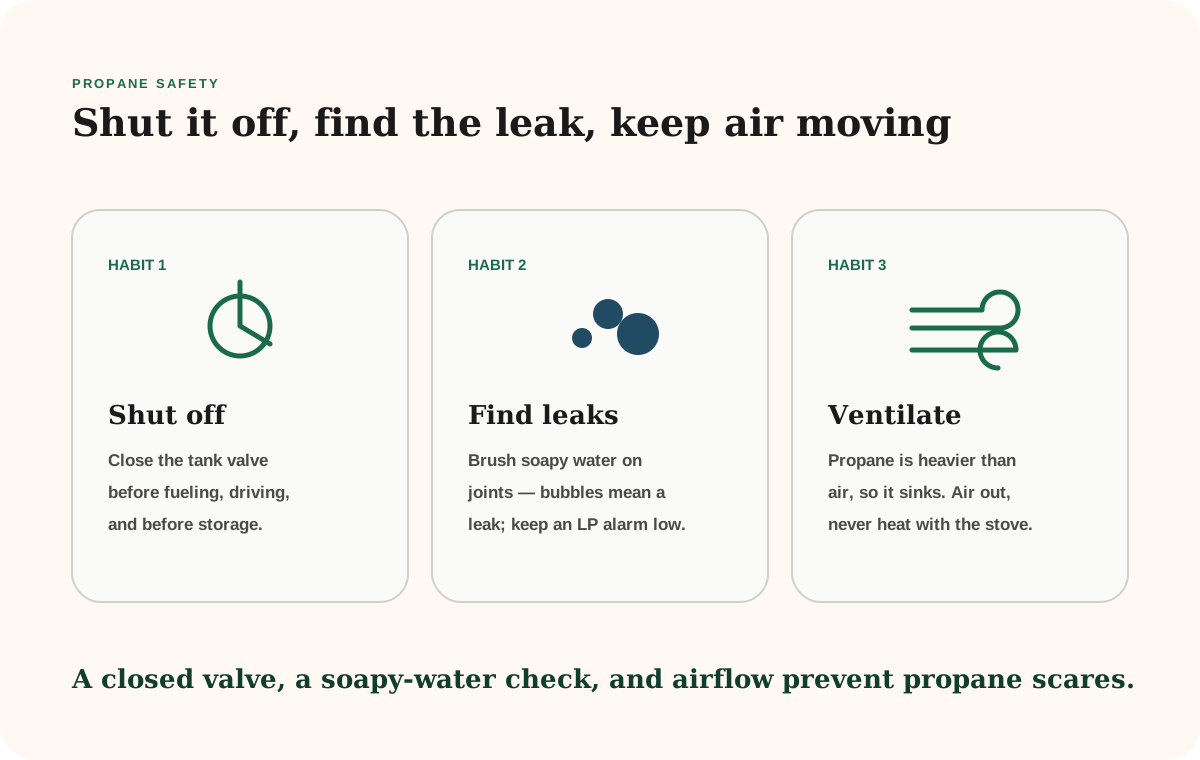
- top off propane if heat, cooking, hot water, or the fridge depends on it
- pack fittings, pressure regulator, hose, filter, gloves, and a small repair kit
Water should be planned as gallons per day, not just tank size. A 40-gallon fresh tank can be a two-night loose-routine trip or a five-night disciplined trip. The difference is dishes, showers, handwashing, and whether every gallon goes into the gray tank.
Use the water calculator if the stay length matters. If you are new, assume water and gray capacity will surprise you before solar does.
Tire, load, and recovery checks
The tire check is not glamorous, but it belongs near the top.
Before departure:
- check cold tire pressure on the tow vehicle and trailer or motorhome
- inspect tread, sidewalls, valve stems, and visible cracking
- confirm the spare tire is usable and accessible
- pack a compressor, gauge, jack plan, and lug tool that fits
- keep recovery gear appropriate to the road surface
- review payload if you added water, batteries, tools, or cargo
Water is heavy. Batteries are heavy. Recovery boards, generators, extra fuel, tools, and cargo add up. If the rig is near its payload limit, use the payload calculator before treating "one more useful thing" as harmless.
Route and site checks
Before you lose signal, save:
- primary route
- backup route
- campsite coordinates
- nearest fuel
- nearest potable water
- nearest legal dump
- paid campground fallback
- public-land rule screenshot or permit details
Road access is not just about whether the road exists. It is about grade, clearance, width, surface, turnaround, weather sensitivity, and what happens if another rig is coming the other way.
Arrive before dark when using unfamiliar dispersed roads. Darkness makes bad decisions look normal until you are committed.
Communication and work checks
If the trip includes remote work, treat signal as part of readiness.
Before committing to the site:
- test the primary carrier
- test the backup carrier or satellite system if available
- check upload speed if calls or large files matter
- confirm the laptop and internet hardware have a power plan
- know where you will move if the connection fails
Use the internet for RVers guide if connectivity is a trip requirement, not a nice bonus.
What this checklist prevents most often
The win is not perfection. It is preventing predictable trip killers:
- arriving with less battery than you thought
- underestimating water or gray tank use
- needing one adapter, fuse, or hose fitting left at home
- choosing a site that kills solar input or cell service
- finding the road too tight after you are already committed
- realizing too late that the fallback is an hour away
Each one is small if caught early. Each one can wreck the trip if found after dark.
After the trip, update your personal checklist
The best version of this checklist is the one that changes after each outing.
Write down:
- what ran out first
- what filled first
- what stayed unused
- what you wished was easier to reach
- what caused setup friction
- what you would check earlier next time
If the same issue appears twice, it probably deserves a system change instead of another reminder. Maybe that means a better monitor, a water routine, a different recovery kit, or a less ambitious first-night road.
A 10-minute readiness drill before the next trip
If the checklist feels too long on departure morning, run this short drill the night before.
First, name the planned stay length out loud. "Three nights, no hookups, mild weather, one town reset." That one sentence keeps the prep tied to the actual trip instead of a vague idea of being off-grid.
Second, name the likely limiter. If the limiter is water, count gallons per day and confirm the dump plan. If the limiter is power, check state of charge, expected solar exposure, and whether tomorrow's weather still supports the plan. If the limiter is road access, review grade, surface, clearance, turnaround, and whether arrival happens before dark.
Third, name the abort trigger. For example: "If we arrive and cannot confirm signal, we do not unpack for work." Or: "If the road turns soft before the first turnaround, we back out." Or: "If the battery starts below 70 percent and the forecast is cloudy, we shorten the stay."
That drill takes less time than digging out a forgotten adapter after sunset. More important, it turns the checklist into decisions. The goal is not to check boxes for their own sake. The goal is to decide whether the rig, route, weather, and people are ready for this specific trip.
Example: a three-night readiness pass
For a three-night beginner boondocking trip, a realistic readiness pass might look like this: batteries full before departure, 35 gallons of usable water, gray tank empty, black tank empty, propane topped off, tires cold-checked, and a legal dump station saved for the exit route.
The route is a graded public-land road with one known turnaround before the campsite cluster. Arrival is planned for 3 p.m., not dusk. The backup is a paid campground 22 miles away. The weather is mild, but wind is expected on night two, so the camp choice needs drainage, stable ground, and no dead branches over the rig.
That is a ready trip. It is not ready because every possible gadget is onboard. It is ready because the important limits have numbers, the road has an exit, and the backup is realistic.
Final thought
Most off-grid RV stress comes from one weak link in an otherwise workable setup. A repeatable checklist gives you a better chance of finding that weak link while you can still fix it easily.
Use the checklist before departure. Use it again at camp. And if the trip fails the checklist, that is not defeat. That is the checklist doing its job.
Frequently asked
Questions RVers usually ask next.
When should I use an off-grid RV readiness checklist?
Use it before departure, then run a shorter version after you arrive at camp. The first pass catches missing gear and weak prep; the arrival pass catches site-specific issues like shade, signal, leveling, wind, and exit access.
What is the most important thing to check before boondocking?
Start with the resource most likely to end the trip: battery reserve, fresh water, gray or black tank capacity, propane, tire safety, or safe road access. Once the limiting resource is honest, the rest of the checklist becomes easier to prioritize.
Should this checklist replace a calculator?
No. The checklist helps you avoid missed prep, while calculators help you size power, water, payload, and stay length. Use both when a trip depends on a resource you have not measured before.
What should make me cancel or shorten an off-grid trip?
Shorten or change the trip if tires, alarms, water, waste capacity, battery recovery, road access, weather, or fallback options are not good enough for the planned stay. Fixing the plan early is cheaper than rescuing the trip later.
Freshness note
Last checked May 5, 2026
This topic can change when products, plans, prices, campsite rules, or fit guidance move. These notes show what was reviewed most recently.
This review included
- Checked tire, carbon monoxide, generator, and outage safety references against official NHTSA, CPSC, and Ready.gov guidance.
- Added a first-screen trip-stopper triage, stop-before-leaving trigger list, and clearer post-trip update path.
Recent change log
May 5, 2026
Added a faster first-screen readiness triage and stronger no-go triggers before the full interactive checklist.
April 21, 2026
Added official safety references, readiness thresholds, a visual checklist map, and more concrete pre-trip decision guidance.
April 17, 2026
Published off-grid RV readiness checklist with verified safety requirements and current product links.
Broader editorial corrections are tracked on the Corrections and Updates page.