Key takeaways
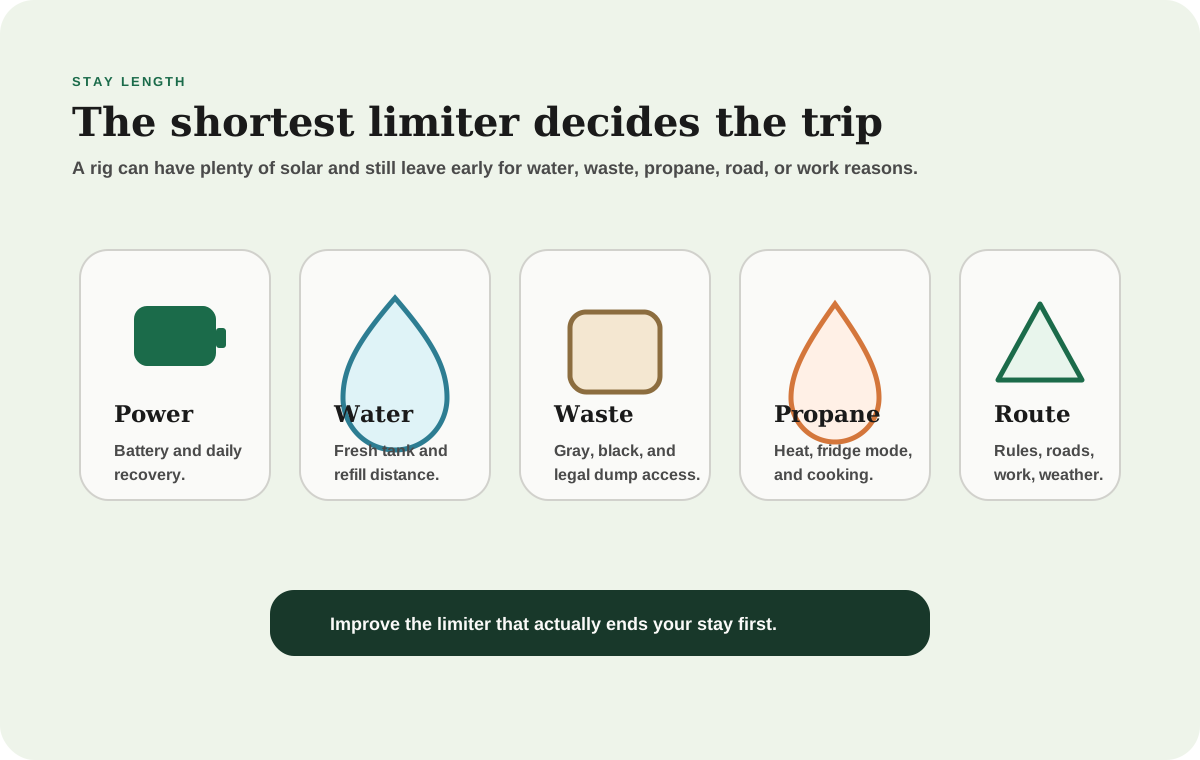
- Boondocking works best when you know the first limiter: water, gray capacity, battery reserve, legal access, weather, or exit conditions.
- Use beginner and calculator pages for the daily routine, then use state guides for local land-manager, fire, road, and water-reset checks.
- Pick sites you can leave cleanly, not just sites you can reach on a good-weather afternoon.
The heart of boondocking
Boondocking is less about roughing it and more about knowing your limits before they become camp problems. Water, battery reserve, waste capacity, and site selection all work together.
The strongest boondocking setup is not the rig with the most gear. It is the rig where the owner knows which limit will arrive first and has a calm plan for it. For one traveler, that limit is fresh water. For another, it is gray capacity, battery reserve, road access, heat, cold, pets, work calls, or the need to leave before a storm changes the exit road.
Use the beginner boondocking guide if the routine itself is new. Use the stay length calculator when you need a quick check across power, water, waste, and food. Use the water calculator when the tank sticker feels optimistic and the real question is daily use.
Once the basics click, the skills that actually extend a stay are specific. Learn how to find and refill water while boondocking so a dry tank never ends the trip early, work out how to boondock with a generator when solar alone will not keep up, and read is boondocking safe to plan around the risks that actually cut trips short. If you are still pricing the setup, how much it costs to go off-grid in an RV breaks the system down before you buy.
Two boondocking jobs
Keep the daily-routine plan separate from the destination research. They answer different questions.
Planning the stay
Water, waste, power, exit
Use this lane when the question is how long the rig can stay comfortable without hookups.
Researching the place
Rules, roads, fire, resets
Use this lane when the question is whether a specific area is legal, reachable, seasonal, and recoverable.
Bridge between them
Fallback before arrival
A good plan has both: a stay-length limit and a legal backup place before the wheels leave pavement.
First, plan the stay
This lane is about the rig and the daily routine. It answers whether your water, gray tank, battery reserve, waste plan, weather margin, and exit plan can support the stay you have in mind.
- Arrive with a power plan
- Track water use from day one
- Know where the next refill or dump option is
- Keep camp small and respectful
Compare
Compare fast
Use one comparison matrix to scan the practical differences. Small screens stack each row; wider screens keep the first column pinned.
| Stay limiter | What it feels like | Best next guide |
|---|---|---|
| Fresh water | The tank drops faster than the stay plan | Water conservation and water calculator |
| Gray tank | You still have fresh water but cannot keep using sinks or shower | Water conservation guide |
| Battery reserve | The system survives sunny days but not clouds or furnace nights | Solar hub and battery calculator |
| Waste and camp routine | The site is fine but dishes, showers, toilet use, or trash make the stay messy | Bathroom, waste, and beginner guides |
| Exit conditions | Rain, mud, snow, wind, or heat make leaving harder than arriving | Weather checks and a nearby fallback |
Stay-planning next step
If this is your first off-grid trip, read the beginner's guide next and then match your power plan to your actual campsite habits.
Then use the first-time boondocking packing list to pack around water, waste, recovery, navigation, weather, and fallback needs before you leave pavement.
For a first weekend, keep the plan boring on purpose. Pick a legal site with an easy exit, arrive in daylight, track water from the first sink use, keep a town fallback nearby, and do not test every new system at once. The goal is to learn the rig's real rhythm before the route adds altitude, heat, mud, snow, wind, or a long service gap.
For a longer stay, the order changes. Build the stay around the first limiter, not the prettiest number. If gray capacity fails first, showers and dishwashing matter more than fresh-water gallons. If battery reserve fails first, the solar power hub and battery hub should be next. If legal access is uncertain, the state guide and land-manager pages matter more than any app review.
Then, research the place
This lane is about permission, roads, weather, fire status, water resets, and state-specific rules. A campsite pin is not a plan until the land manager, road surface, season, and exit option agree with it.
Official checks behind the boondocking hub
Use official land-manager, weather, and fire checks before treating a dispersed campsite as usable.
State-by-state place research is where the easy wins live
The same rig and the same habits behave very differently depending on where you camp.
Use the new state guides when you want to plan around:
- desert versus mountain timing
- heat, wind, and road-surface risk
- how aggressive the water and refill strategy needs to be
- whether the next route should be scenic, practical, or both
If the route points into red-rock country, use the Utah boondocking guide before trusting old Moab, Capitol Reef, or public-land pins. Utah planning needs land-manager checks, road-surface judgment, fire-status verification, and a water plan that still works after dust, heat, and crowds show up.
If the route moves through southern or central New Mexico, use the New Mexico boondocking guide before treating open land like easy land. New Mexico planning needs wind judgment, fire-restriction checks, state-trust and tribal-boundary awareness, water math, and a service-distance fallback.
If you are aiming for elevation instead of desert, start with the Colorado boondocking guide so road season, fire restrictions, altitude, and lower-elevation fallbacks are part of the plan before you point the rig at a forest road.
If the route points west, use the California boondocking guide before trusting old pins. California rewards careful land-manager checks, permit awareness, fire-rule verification, and legal coastal fallbacks.
If your route bends into the Pacific Northwest, use the Oregon boondocking guide to plan around rain, mud, high-desert water gaps, state-forest rules, coastal overnight limits, smoke, and fire restrictions before you treat a scenic pullout like a campsite.
If your Pacific Northwest route points north, use the Washington boondocking guide before trusting a forest-road, coastal, or trailhead pin. Washington planning needs agency checks for national forests, DNR, WDFW, BLM, Discover Pass access, fire restrictions, pass timing, wet-road exits, and water resets.
For northern mountain routes, use the Montana boondocking guide before chasing Glacier or Yellowstone pins. Montana planning needs road-size filters, grizzly-country storage, fire restrictions, cold-night checks, and honest water or service-distance planning.
If your route points through the Mountain West but not all the way into Montana, use the Idaho boondocking guide before assuming BLM desert, national forest, Sawtooth country, Panhandle forest, and Idaho endowment land all follow the same playbook. Idaho planning needs land-manager checks, fire-status verification, road-season judgment, and a water reset that still works after the pretty campsite is full.
The cleanest boondocking strategy
Choose a site you can leave, not just a site you can reach. That means thinking about turnaround room, road surface, rain, snow, dust, heat, cell signal, nearby services, and whether the rig can recover if the first plan is wrong.
Then keep the campsite small. Arrive with water, a waste plan, enough battery reserve, a legal permission check, and a fallback place to go. The less the campsite has to solve for you, the longer boondocking feels calm.
Frequently asked
Questions RVers usually ask next.
What should new RVers learn before boondocking?
Start with water, battery reserve, waste capacity, legal site selection, and a fallback plan. The prettiest campsite is not worth much if the rig cannot stay comfortable or leave cleanly.
How long can most RVers boondock?
For many rigs, fresh water or gray tank capacity becomes the limiter before battery capacity. Use your real daily habits in the water calculator before assuming the tank sticker is the stay length.
Why use state-specific boondocking guides?
Land managers, fire rules, road surfaces, water resets, and seasonal risks change quickly by state. A legal site-finding workflow still needs local rule checks before arrival.
Choose what you need next
Pick the path that matches the job.
Use these groups when you want the primer, the comparison, or the calculator without scanning every guide.
Stay out longer
Evergreen planning guides for water, waste, power, and the resource limit that ends the trip first.
Where to camp
Legal site-finding and place-specific guides for land managers, roads, fire rules, water resets, and seasons.
Camp routine and conditions
Use these when the place is chosen but etiquette, weather, heat, cold, or first-trip setup still needs a plan.
Fast comparisons
Most boondocking friction comes from a few repeat tradeoffs.
These guides help answer the common stay-length questions before a trip turns into a chain of small avoidable problems.
Habits vs hardware
Water conservation habits first
- Best when
- You need the fastest no-purchase way to stretch a stay and lower daily tank stress.
- Watch for
- Habits matter more than people expect, but they can only carry a weak water plan so far.
Add gear
Best water-saving upgrades
- Best when
- You already know the limiting parts of your water setup and want gear that buys more days without making camp life annoying.
- Watch for
- Upgrades help most when they solve a real repeat pain point instead of acting as a substitute for planning.
Trip profile
How long you can really boondock
- Best when
- You want the honest answer on what usually ends the stay first once water, power, waste, and refill friction meet each other.
- Watch for
- Trip length is rarely limited by one headline number alone.


