Class C vs fifth wheel snapshot
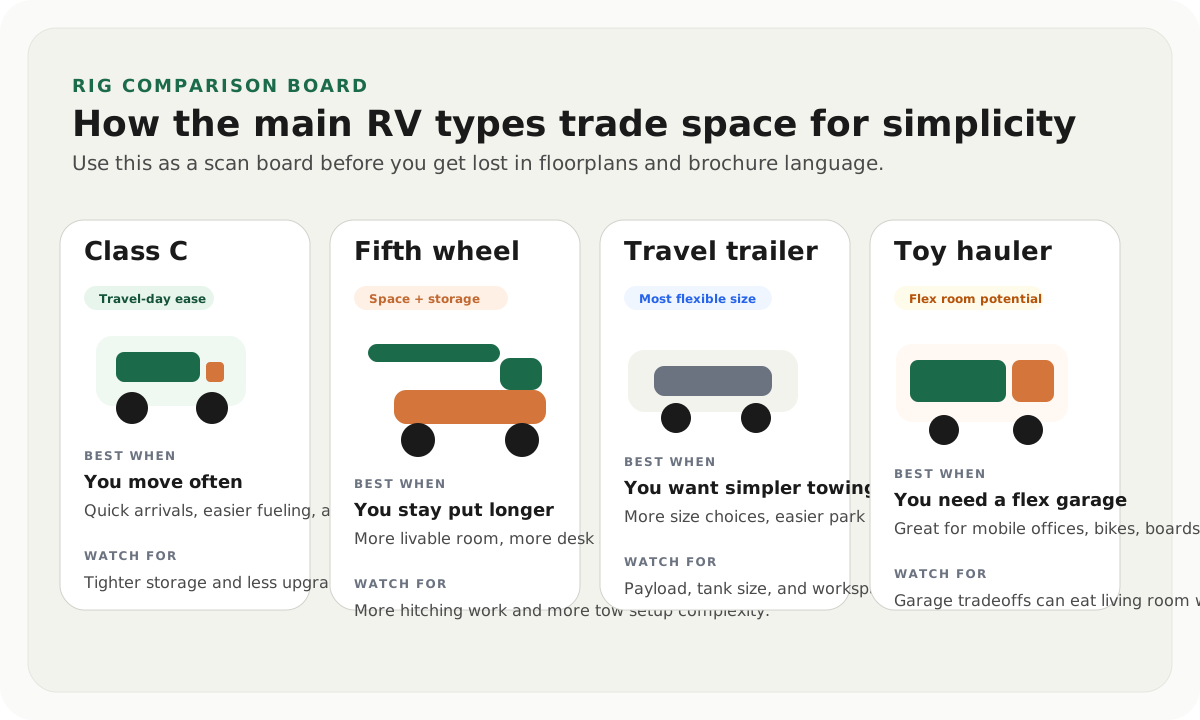
These are different ownership patterns as much as different RV types.
Class C sweet spot
Frequent moves and easier travel days
Shorter stops, easier fueling, and one-piece arrival routines make sense for route-heavy travelers.
Fifth wheel sweet spot
Longer stays and more livable square footage
A stronger living room, bedroom separation, and storage story often make fifth wheels feel better for full-time life.
Hidden tradeoff
Truck + trailer vs integrated motorhome service reality
Service days, towing logistics, and how you run errands once camp is set up matter more than most first comparisons show.
Official checks before comparing rig types
A rig-type comparison only gets useful when it is tied back to the exact unit: VIN, tire age, weight labels, cargo capacity, and the truck or chassis that carries the load.
Pre-arrival checks
Do not compare dry weights
Full-time living adds people, water, tools, food, office gear, batteries, pets, and seasonal belongings before the first trip starts.
Check the exact unit
A fifth wheel can have a strong brochure and still overload the truck. A Class C can look compact and still have weak remaining OCCC.
Plan the service day
Motorhome and towable service logistics are different enough that they should influence the buying decision before full-time travel begins.
Compare
Compare fast
Use one comparison matrix to scan the practical differences. Small screens stack each row; wider screens keep the first column pinned.
| Spec | Class C | Fifth wheel |
|---|---|---|
| Travel-day ease | Higher | Lower |
| Living-space efficiency | Moderate | Higher |
| Storage and cargo flexibility | Moderate | Higher |
| Separate vehicle at camp | Needs tow car if desired | Truck already serves that role |
| Desk or office potential | Good in the right layout | Usually stronger, especially in larger floorplans |
| Best fit | Travel-heavy couples or smaller families | Longer stays, full-time comfort, off-grid upgrade plans |
Start with how often you move
This decision goes sideways when people compare the rigs while parked and forget the travel days.
If you move every few days, a Class C often wins because:
- fueling is simpler
- lunch stops are easier
- quick overnight stays are calmer
- you do not need to think about hitching and unhitching as often
If you stay put longer, a fifth wheel often starts to win because:
- the living room stays more comfortable
- bedroom separation is better
- storage usually gets stronger
- the truck becomes a built-in camp vehicle
Think of the choice as a rhythm test.
If your full-time life looks like national-park loops, frequent overnight stops, family visits, and a new town every few days, the Class C rhythm can feel calmer. You can stop for fuel, lunch, restrooms, and weather without managing a large truck-and-trailer combination. That does not make it effortless, but it reduces the number of steps in each move.
If your full-time life looks like two-week stays, seasonal work, long boondocking resets, or monthly campground moves, the fifth wheel rhythm can feel calmer. You do the larger move less often, then live in a more separated home once camp is set. The setup day is heavier, but the ordinary days can be easier.
Neither rhythm is morally better. The mistake is buying the parked comfort of a fifth wheel when your actual life is road-trip-heavy, or buying the travel-day simplicity of a Class C when your actual life is long indoor workdays.
Why fifth wheels win so often for full-time comfort
Full-time life is repetitive.
That means these details matter more than the first week suggests:
- how the bedroom feels on day 40
- whether there is enough pantry and closet space
- whether the workstation can stay set up
- whether the living room still feels usable during bad weather
Fifth wheels often do better here because the layout can stretch vertically and create clearer zones.
That vertical space matters more than people expect. A fifth wheel can often provide a true bedroom, larger wardrobe, bigger pantry, more exterior storage, and a living room that does not feel like the cab is always part of the house. For couples working remotely or living through winter storms, those zones reduce friction.
The tradeoff is that a fifth wheel is a system: truck, hitch, trailer, pin weight, tires, brakes, suspension, and setup gear. Full-time shoppers sometimes compare only the RV interior and forget the truck is part of the home purchase. A fifth wheel that requires a larger truck, upgraded tires, better hitch, storage lot, and more maintenance may still be the right choice, but those costs belong in the comparison.
Fifth wheels also ask more from campsite selection. Height, length, tail swing, low branches, tight fuel stations, and steep campground roads matter. Once you are parked, the truck gives you an errand vehicle. Getting parked may be the higher-friction part.
Why Class Cs still win real people over
Class Cs are easier to love when the route itself is part of the lifestyle.
They make sense when:
- you reposition often
- you prefer a smaller travel footprint
- you value quick setup more than maximum interior room
- you want to keep driving, parking, and rest-stop use simpler
That is not a small advantage.
It is the whole trip rhythm.
The Class C advantage is integration. The engine, cab, house, generator, tanks, and living area move as one unit. That makes quick nights and bad-weather transitions simpler. If you are tired, it is easier to pull in, level enough, keep the house accessible, and sleep.
The tradeoff is that the whole home is also the vehicle. If the Class C goes into a chassis shop, your house may go with it. If you need errands from a campsite, you either break camp, carry bikes, use rideshare, or tow a small car. The travel-day simplicity is real, but the errand and service-day reality needs its own plan.
Payload can also be tighter than shoppers expect. A compact Class C may look modest, but water, people, food, tools, batteries, solar upgrades, pets, and full-time belongings can use up remaining cargo capacity quickly. A Class C should be judged by the actual OCCC sticker, not the fact that it is shorter than a fifth wheel.
Do not compare only campground life
The rig that looks most comfortable while parked can still be the wrong rig if the travel days, fueling routine, or maintenance logistics wear you out over time.
Field note
Field fit note
The happier full-time buyers usually know which pain they are choosing on purpose. Fifth wheels ask more on move days. Class Cs ask more on space and storage discipline. The wrong answer is usually the one whose friction surprises you later.
Service days are different
Service logistics are one of the most underrated full-time differences.
With a Class C, chassis service can mean your home is at the mechanic. Oil changes, tires, brakes, suspension, engine repairs, generator service, and house-system work may require different shops. If you tow a car, you can still have mobility while the coach is parked for service. If you do not, even routine chassis work can disrupt the day.
With a fifth wheel, the truck can go to one shop while the trailer stays parked, or the trailer can go to an RV shop while the truck remains available. That separation is useful. It also means you maintain two large systems instead of one: a tow vehicle and a trailer. Tires, brakes, bearings, hitch hardware, suspension, roof, slides, batteries, and truck maintenance all stay in the budget.
For full-time living, the question is not which one has fewer maintenance tasks. The question is which service disruption you can handle:
- Class C: the house and chassis may be tied together on service day.
- Fifth wheel: the systems are separated, but the truck match and trailer maintenance are both ongoing.
If you plan to work remotely, service days also need internet and workspace planning. A fifth wheel parked at a site while the truck is serviced can be easier. A Class C in a shop may push you into a library, coffee shop, hotel, or coworking day.
Payload, tanks, and storage decide long-stay comfort
Full-time RV life is mostly ordinary logistics repeated for months.
Water, waste, food, laundry, tools, office gear, hobbies, spare parts, pets, and seasonal clothes all need homes. Fifth wheels usually win this category because they tend to offer larger basements, more cabinets, larger tanks, and more obvious battery or inverter locations. That extra space can make full-time life feel less like constant packing.
Class Cs can still work, especially for minimalist travelers, but they require stricter discipline. The smaller storage system forces harder decisions about tools, outdoor gear, pantry stock, spare parts, and office equipment. If the rig will be used for boondocking, the storage issue combines with tank and battery limits.
Water is the easy example. A fifth wheel with a 75- to 100-gallon fresh tank sounds stronger than a Class C with a 40- to 50-gallon fresh tank. But the answer is not only fresh water. Gray and black capacity decide whether showers, dishes, and toilet use can match the fresh tank. Cargo capacity decides whether carrying full water is reasonable. A large tank on a trailer with weak remaining payload is not a free advantage.
Use the water calculator and payload calculator as a pair. Water determines how long you want to stay. Payload determines whether the rig can safely carry that plan.
Office and daily living examples
For a solo traveler with a laptop, a Class C dinette or swivel-cab setup can be enough. The smaller footprint may be worth the space tradeoff because moving is easy and the work setup is simple.
For two people taking calls, a fifth wheel usually becomes more attractive. Room separation matters when one person is cooking, one person is on a call, and weather keeps everyone inside. A rear living room, bunk room, mid-room, or front-office fifth wheel can keep the workday from taking over the whole home.
For a couple that moves every three days, the Class C may still win. Even if the interior is smaller, the repeated travel-day savings can matter more than the desk. For a couple that stays two weeks at a time, the fifth wheel may win because the desk stays set up and the living room does not need to reset every morning.
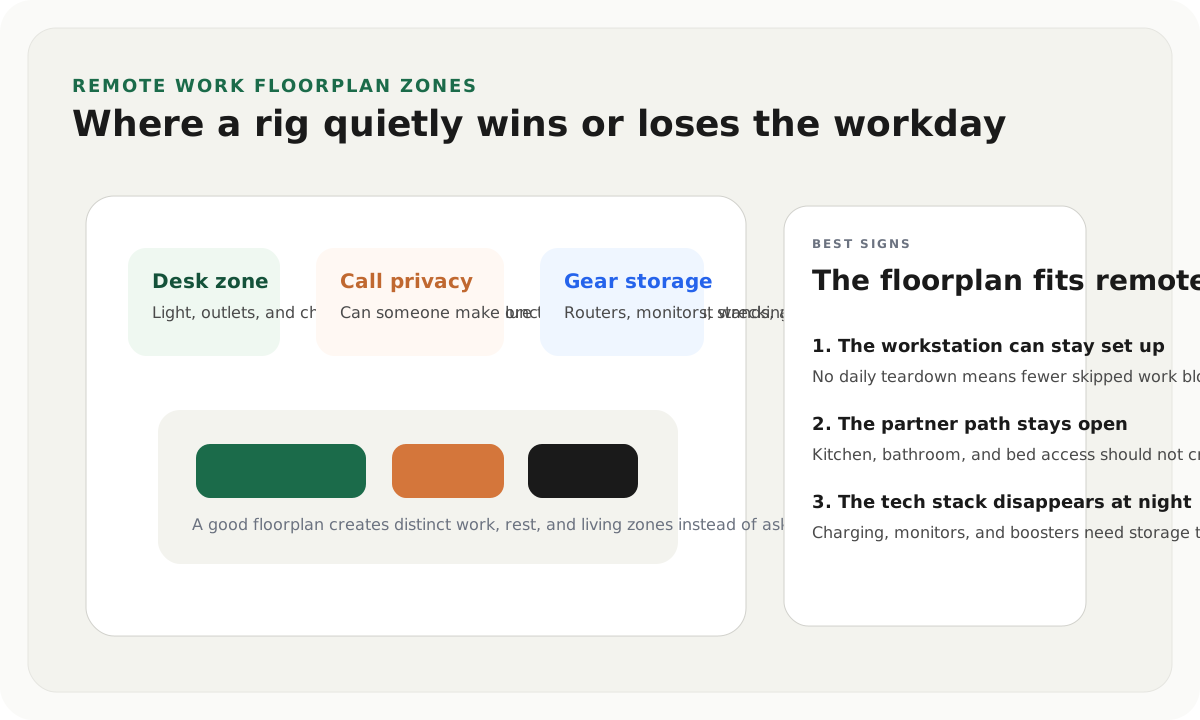
The strongest remote-work comparison is not "which rig has a desk?" It is "which rig lets work happen without breaking the rest of the day?" Use how to choose an RV floorplan for remote work if the office is central to the purchase.
Boondocking upgrade headroom
Fifth wheels often have more obvious space for solar, batteries, inverters, water gear, tools, and spares. Bigger roofs can support more solar. Larger basements can support cleaner battery and inverter installations. More exterior storage can make hoses, jugs, filtration, chairs, blocks, and spare parts easier to manage.
Class Cs can absolutely boondock, but the packaging is tighter. The roof may be interrupted by the cab-over, AC shroud, vents, antennas, and limited cable paths. Battery compartments may be smaller. Exterior storage can be awkward. Generator access may be good, but lithium and inverter upgrades may require more careful planning.
If your full-time plan depends on longer off-grid stays, compare the actual upgrade route before buying. A fifth wheel with poor roof layout and tight payload can be worse than a Class C with a clean roof, good generator, and disciplined load plan. A Class C with weak OCCC can be worse than a fifth wheel that carries water, batteries, and tools comfortably.
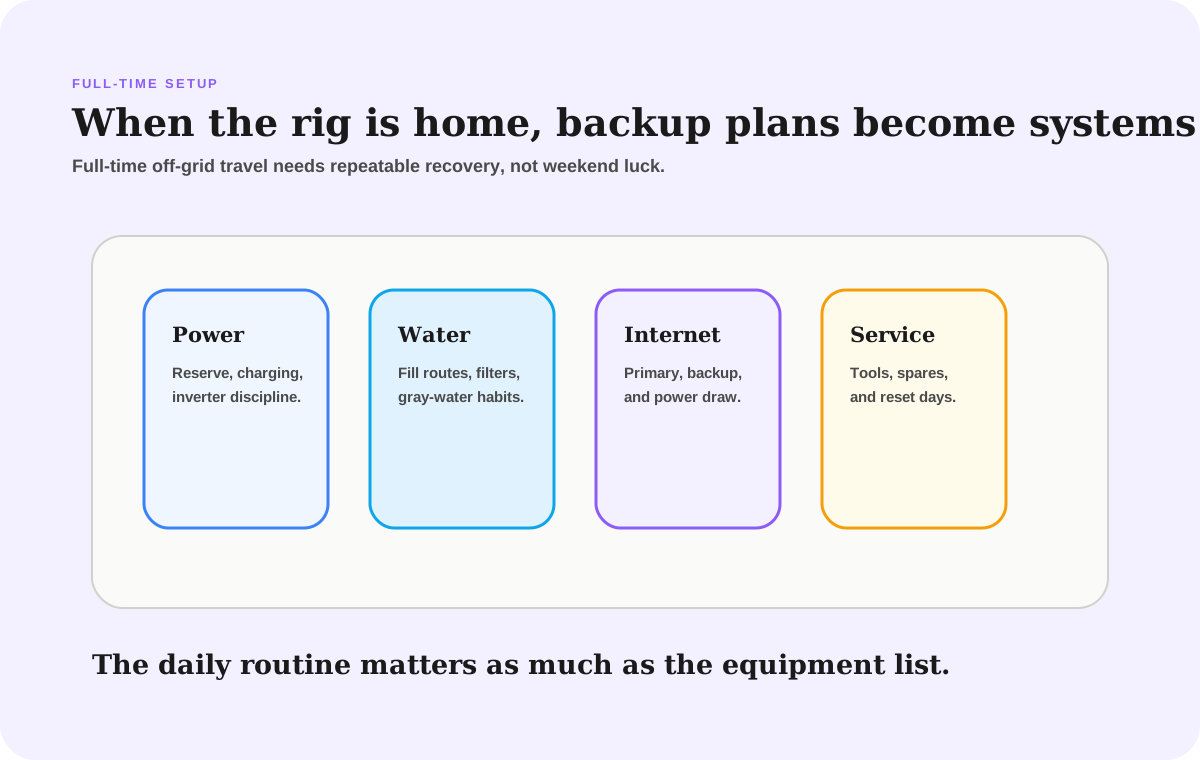
Use off-grid RV setup for full-time travel after the rig-type choice starts to lean one way. The system plan should confirm the rig choice, not be forced into it later.
Two worked scenarios
Scenario 1: move every three days
You work part time, drive often, stay in public campgrounds and dispersed spots, and value simple fuel stops. A 25- to 28-foot Class C may be the calmer full-time rig if the actual OCCC and tanks work. The smaller interior is the cost you pay for easier motion.
In this scenario, a large fifth wheel may feel wonderful after setup but tiring during repeated moves. Hitching, fueling, route planning, campground access, and truck-trailer length become frequent chores. If the travel rhythm is the lifestyle, those chores matter.
Scenario 2: stay fourteen days
You work remotely, carry more gear, cook most meals, and prefer longer stays with fewer moves. A fifth wheel starts to look stronger. The desk can stay assembled. The truck handles errands. Storage and tanks stretch the reset interval. The larger living room makes weather days less cramped.
In this scenario, the Class C may still work, but it demands more discipline. You may need a toad, more frequent water resets, tighter office routines, and a stronger plan for service days. If camp life is the lifestyle, the interior and storage advantages of the fifth wheel matter.
Off-grid upgrade headroom matters too
For readers who care about solar, batteries, or longer stays without hookups, ask:
- where would added battery weight live
- is there clean roof space for more panels
- how easy is it to access storage bays, pass-throughs, or electrical compartments
- can the daily cargo load stay organized once hoses, tools, cords, chairs, and tech gear are all onboard
Fifth wheels often provide better upgrade headroom.
Class Cs can still work well, but the packaging is usually tighter and the payload story deserves more attention.
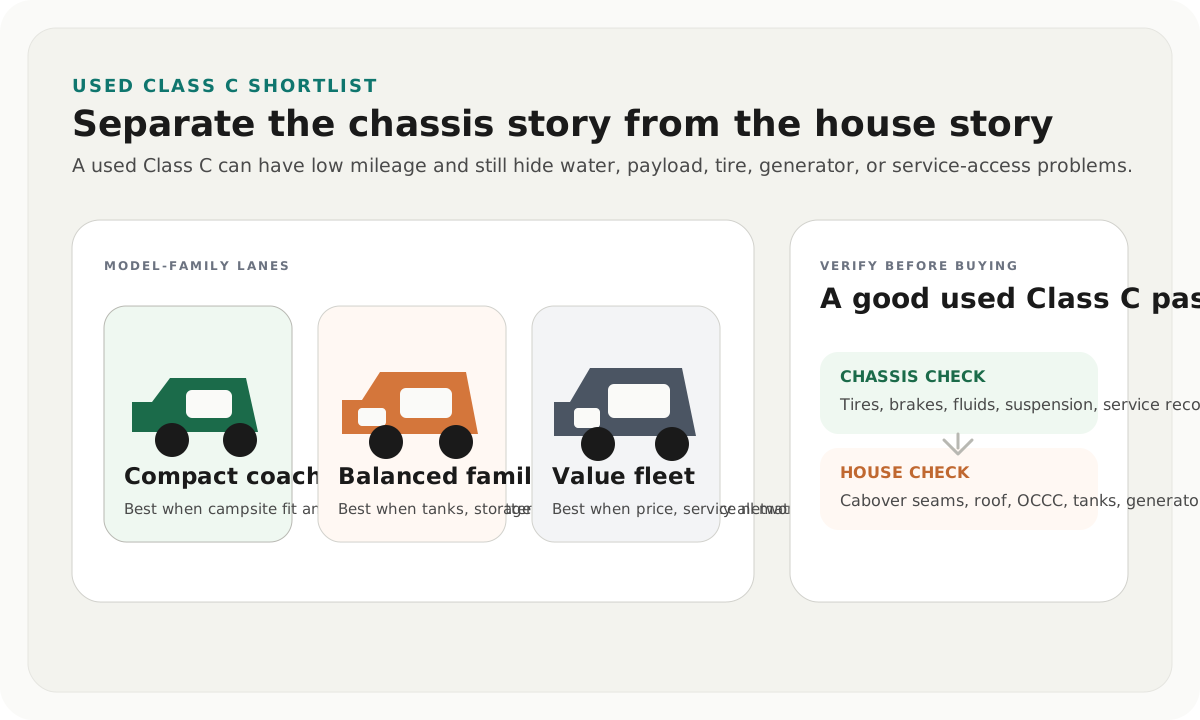
If the Class C side still looks right and you are shopping used, use the used Class C motorhome shortlist to inspect the actual coach's OCCC, tires, cabover seams, generator, service records, and house systems before you compare listings by floorplan alone.
If the fifth-wheel side looks stronger, use the used fifth wheel shortlist before you fall for a living room. The truck match, loaded pin weight, slides, roof, frame, and basement service access decide whether the used rig is a real full-time platform.
The cleanest way to decide
Choose the Class C when your best trips look like:
- more moving
- more road miles
- easier overnight transitions
- smaller campsites and simpler route stops
Choose the fifth wheel when your best trips look like:
- longer stays
- more gear
- more office time or desk use
- more emphasis on feeling settled once camp is set
That is the real comparison.
Frequently asked
Questions RVers usually ask next.
Is a fifth wheel better than a Class C for full-time RV living?
Often yes if living comfort, storage, workspace, and longer stays matter most. A Class C can still be the better fit when travel-day ease and a smaller overall footprint matter more.
Which is better for remote work, a Class C or a fifth wheel?
A fifth wheel usually offers stronger desk and room-separation potential, especially in larger floorplans. A Class C can still work well if the job is lighter or the route rewards faster moves and smaller campsites.
Which is easier to boondock in, a Class C or a fifth wheel?
That depends on tank size, payload, and the exact floorplan, but fifth wheels often offer better storage and upgrade headroom while Class Cs can be easier to reposition and fit into tighter sites.
Freshness note
Last checked April 21, 2026
This topic can change when products, plans, prices, campsite rules, or fit guidance move. These notes show what was reviewed most recently.
This review included
- Checked NHTSA recall routing, NHTSA tire-safety routing, RVIA/Go RVing cargo-capacity guidance, and internal rig-review buyer paths for full-time rig comparison.
- Expanded the comparison with full-time travel rhythm, service-day, payload, tank, office, and boondocking decision examples.
Recent change log
April 21, 2026
Expanded the Class C versus fifth wheel comparison with official-resource checks, full-time ownership scenarios, and deeper service, payload, and office tradeoffs.
April 10, 2026
Linked the Class C versus fifth wheel comparison to the used Class C motorhome shortlist.
Broader editorial corrections are tracked on the Corrections and Updates page.