Official checks before adding gear
Early upgrades still affect safety, weight, and backup-power behavior. Use official references before adding heavy batteries, generators, fuel, water, or electrical gear.
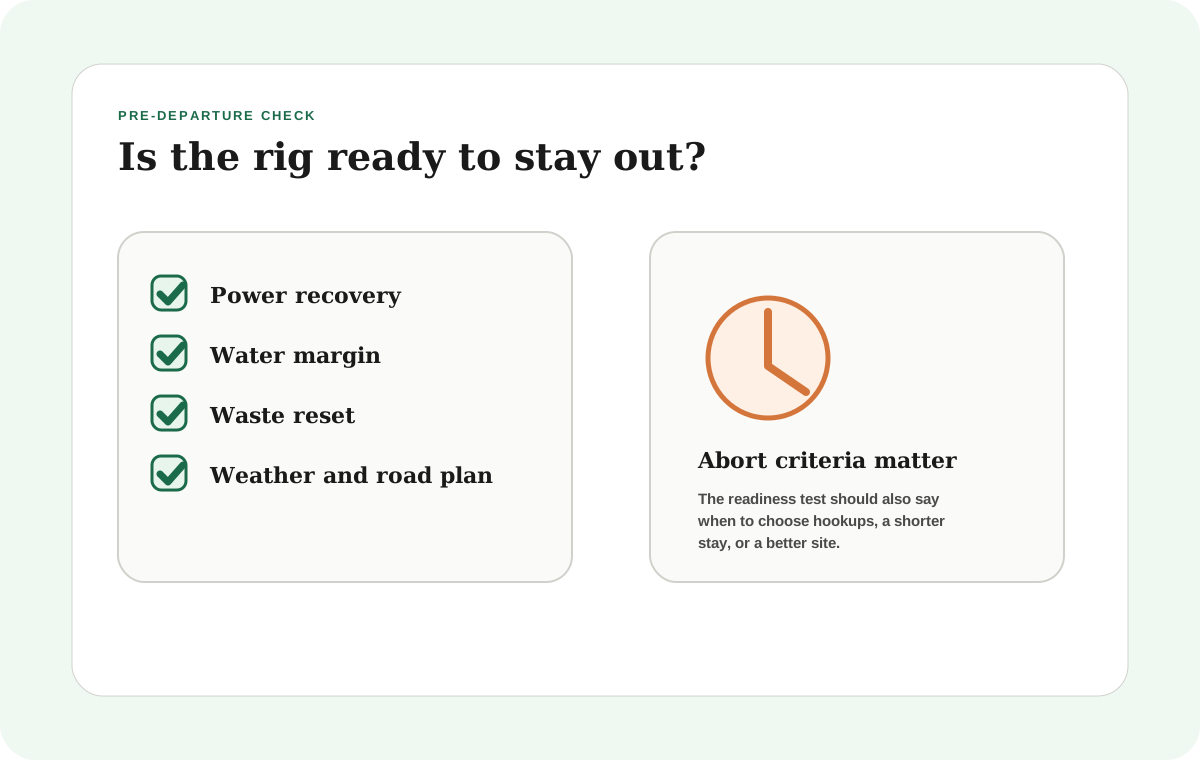
Pre-arrival checks
Before buying
Check payload, tire ratings, battery state, tank limits, charging limits, and whether the upgrade solves the problem that actually ended your last trip.
First upgrade triage
Before buying the next part, match the upgrade to the thing most likely to stop the next trip.
Power stops the trip
Check overnight draw first
Run the battery calculator, note inverter idle load, and decide whether reserve or recharge is the real problem.
Water stops the trip
Check gallons per day
Run the water calculator before adding heavy containers or assuming the fresh tank is the only limit.
Weight or packing stops the trip
Check payload before gear
Weigh the loaded rig and secure new cargo before treating batteries, tools, fuel, or water as free capability.
Weather or recovery stops the trip
Check the fallback plan
Keep generator CO safety, fuel storage, road exit, and a paid reset night in the plan before relying on one recovery tool.
The best first upgrades are rarely the flashiest ones
It is easy to start off-grid planning with the expensive nouns: lithium, inverter, solar, diesel heater, generator, Starlink.
Those can be the right tools. They are just not always the right first tools.
The first upgrade should answer this question:
what will make the next three trips easier and more informative?
That usually points toward visibility, discipline, and bottleneck removal before full-system replacement.
The first-dollar decision table
Compare
First off-grid RV upgrade priorities
Use one comparison matrix to scan the practical differences. Small screens stack each row; wider screens keep the first column pinned.
| Spec | If power ends the trip | If water ends the trip | If setup friction ends the trip | If weather or safety ends the trip |
|---|---|---|---|---|
| First useful upgrade | Battery monitor and load inventory | Water-use plan and carry/refill tools | Storage, cable, and setup routine cleanup | Readiness kit, detectors, weather/fallback routine |
| What to measure | Overnight draw, inverter idle, recharge rate | Gallons per day, gray capacity, refill distance | Time to set up, blocked cabinets, repeated annoyances | Forecast, road exit, CO alarms, fuel, tire pressure |
| Do not buy first | Huge battery before knowing loads | Extra tank capacity before fixing wasteful habits | Permanent mods before testing the workflow | Generator or heater without safety and storage plan |
| Best tool handoff | Battery calculator | Water calculator | Readiness checklist | Budget and recovery guides |
Start with visibility
If the current rig is mostly a black box, the smartest upgrade is measurement.
Useful visibility upgrades include:
- a real battery monitor
- a load inventory
- a water-use baseline
- a tire and payload check after loading
- a pre-trip readiness checklist
- a simple note from each trip about what ended the stay first
This does not feel glamorous. It changes everything.
Without visibility, you may buy batteries when the real problem is inverter idle draw. You may buy solar when the real problem is shade. You may buy more water storage when the real limiter is gray tank capacity.
Use the battery calculator and water calculator with real habits, not the brochure version of your habits.
Clean up hidden electrical losses before expanding
Many rigs carry small background loads that quietly shrink off-grid time.
Before buying a bigger bank, look for:
- inverter left on for tiny AC loads
- entertainment gear or chargers idling
- lights that could be changed to lower-draw habits
- furnace fan assumptions
- router, booster, or internet gear left on when not needed
- battery age or state of charge confusion
This is why parasitic draw troubleshooting belongs early in the upgrade path. Removing a recurring hidden load may be cheaper than buying enough battery to tolerate it forever.
Water upgrades deserve more respect
Power gets the attention because electrical upgrades are visible and easy to compare. Water often ends trips more quietly.
Early water upgrades can include:
- dedicated drinking-water containers
- a cleaner fill hose and filter routine
- better gray-tank awareness
- low-water dishwashing habits
- a refill/dump route before leaving town
- a shower routine that fits the tank, not the dream
If the rig can stay powered but has to leave because water or gray capacity is done, it is not truly independent yet.
Read the water conservation guide before adding heavy water capacity. Extra water is useful, but every gallon also adds about 8.34 pounds before containers.
Recharge beats capacity when recovery is the limiter
There are two different power problems:
- not enough battery to get through the night
- not enough charging to recover after the night
Those problems need different upgrades.
If the battery drops too low overnight, capacity or load reduction may be the first fix. If the battery survives the night but never catches back up, solar, DC-to-DC charging, generator runtime, or shore-power reset planning may matter more.
That distinction should guide the first solar decision too. A modest portable panel can teach campsite and charging behavior. A roof array can be better for daily automation. A generator can be the right recovery tool when weather, shade, or air-conditioning changes the math.
Use RV generator vs solar before treating one power source as morally superior.
Payload and storage are part of the upgrade
Off-grid gear adds weight and volume:
- batteries
- water containers
- tools
- generator and fuel
- recovery boards
- solar panels
- spare parts
- food for longer stays
That weight has to live somewhere. It also has to stay inside the rig's ratings.
This is where many beginner builds get messy. The upgrade works electrically but makes storage worse, eats cargo carrying capacity, or moves weight to a bad place.
Use the payload calculator before treating heavier batteries, extra water, or generator gear as free capability.
Capability that breaks payload is not capability
A useful upgrade should make the rig more independent without quietly making it overloaded, awkward to pack, or harder to drive safely.
What not to buy first
These upgrades are not bad. They are just easy to buy too early:
- oversized inverter without a specific appliance plan
- large lithium bank before load and recharge numbers are known
- premium solar gear before roof layout and shade reality are clear
- generator without CO safety, storage, and campground-etiquette plan
- permanent desk or storage modifications before testing the workflow
- complicated monitoring apps before the basics are understood
The test is simple: can you explain exactly what problem the upgrade solves and how you will know it worked?
If not, wait one trip.
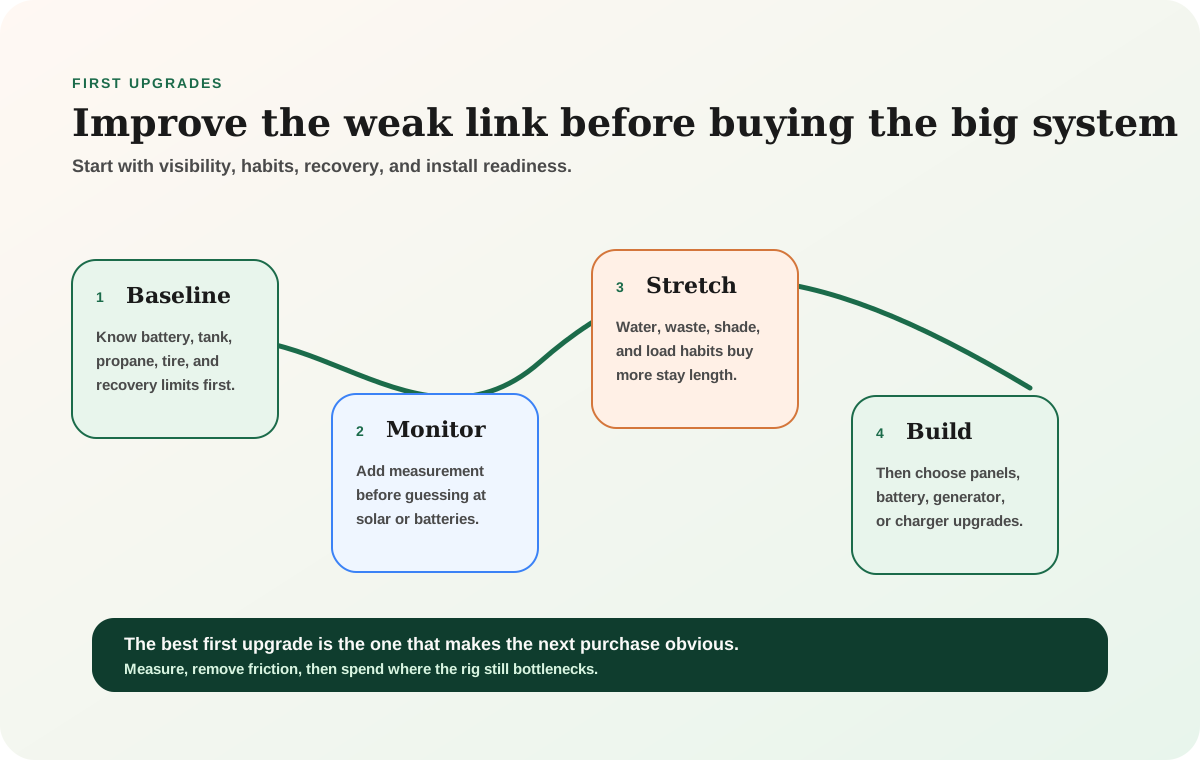
A smart first-upgrade sequence
For many rigs, the early sequence looks like this:
- Baseline the rig with a readiness checklist.
- Measure battery behavior and hidden loads.
- Measure water use and gray capacity.
- Fix easy comfort and setup friction.
- Add modest recovery where the limiter is proven.
- Buy larger battery, solar, inverter, or generator upgrades after the pattern is real.
The sequence is not slow. It is protective. It keeps you from building the expensive version of the wrong rig.
Example: the first $500 should buy learning
If the first upgrade budget is modest, resist the urge to spend it all on one impressive component.
A smarter starter plan might look like:
- battery monitoring or a clearer state-of-charge method
- basic tire, pressure, and payload verification tools
- better water fill, drinking reserve, and low-water cleanup gear
- a small storage fix for the items that make setup annoying
- one recovery or safety gap that would make a bad campsite worse
That mix will not look as exciting as a large inverter or a shiny battery. It will usually teach more.
After two or three trips, the next purchase becomes easier to defend. If the bank drops too low every night, battery capacity has evidence. If the battery survives but never refills, charging has evidence. If water or gray capacity still ends the stay first, electrical spending can wait.
That is the point of the first round: spend enough to see the rig clearly before spending heavily to change it.
Example: when the big upgrade is justified early
Sometimes the expensive upgrade really is the correct first move.
That is more likely when:
- the existing battery bank is failed or unsafe
- the rig already has verified loads that require more reserve
- medical, remote-work, or weather needs make downtime unacceptable
- the owner has weighed payload, charging, and installation constraints
- the upgrade solves a known repeated failure, not a hypothetical one
In that case, use the off-grid RV budget planning guide to stage the purchase so the battery, solar, charger, inverter, wiring, and monitoring choices still fit together.
Final thought
The first off-grid upgrade should make the next decision clearer.
If it teaches you the rig, removes a repeated pain point, or proves the real limiter, it is doing its job. If it adds complexity while the basic facts are still fuzzy, it may be shopping disguised as planning.
Frequently asked
Questions RVers usually ask next.
What is the best first off-grid RV upgrade?
For many RVers, the best first upgrade is better visibility: a battery monitor, load inventory, water-use baseline, and readiness checklist. Those make later battery, solar, and inverter purchases much smarter.
Should I buy solar or batteries first?
Buy based on the actual limiter. If you run out of reserve overnight, battery capacity or load reduction may matter first. If the battery survives but does not recover, charging support may matter more.
Are water upgrades worth doing early?
Yes. Many off-grid stays end because of fresh water, gray capacity, or refill logistics before the electrical system fails. Water upgrades are often cheaper and more useful than beginners expect.
Why should payload be checked before adding off-grid gear?
Batteries, water, tools, generators, and spare gear add real weight. A good upgrade should improve independence without pushing the RV past safe load, tire, or storage limits.
Freshness note
Last checked May 4, 2026
This topic can change when products, plans, prices, campsite rules, or fit guidance move. These notes show what was reviewed most recently.
This review included
- Rechecked NHTSA tire, loading-label, and secure-load guidance before tightening the first-upgrade triage flow.
- Rechecked CPSC portable-generator carbon monoxide guidance before preserving generator safety boundaries.
- Added a first-screen triage grid that points readers to the first number to check before buying the next upgrade.
- Checked NHTSA tire and vehicle load guidance for payload and weight-rating cautions before adding off-grid gear.
- Checked CPSC generator carbon monoxide safety guidance for backup-power and combustion-risk reminders.
- Expanded the guide with a staged-upgrade visual, first-dollar comparison table, source routing, and clearer avoid-buying-first guidance.
Recent change log
May 4, 2026
Added a first-upgrade triage grid and refreshed official safety-source proof for weight, load security, and generator CO guidance.
April 21, 2026
Expanded the first off-grid upgrades guide with official safety checks, a staged upgrade visual, decision table, and clearer first-dollar workflow.
April 17, 2026
Published first off-grid upgrades guide with current pricing and verified component specs.
Broader editorial corrections are tracked on the Corrections and Updates page.