Official desert planning checks
Desert conditions change quickly. Use official weather, heat, fire, and land-manager sources before trusting a campsite pin or old trip report.
Pre-arrival checks
Before leaving pavement
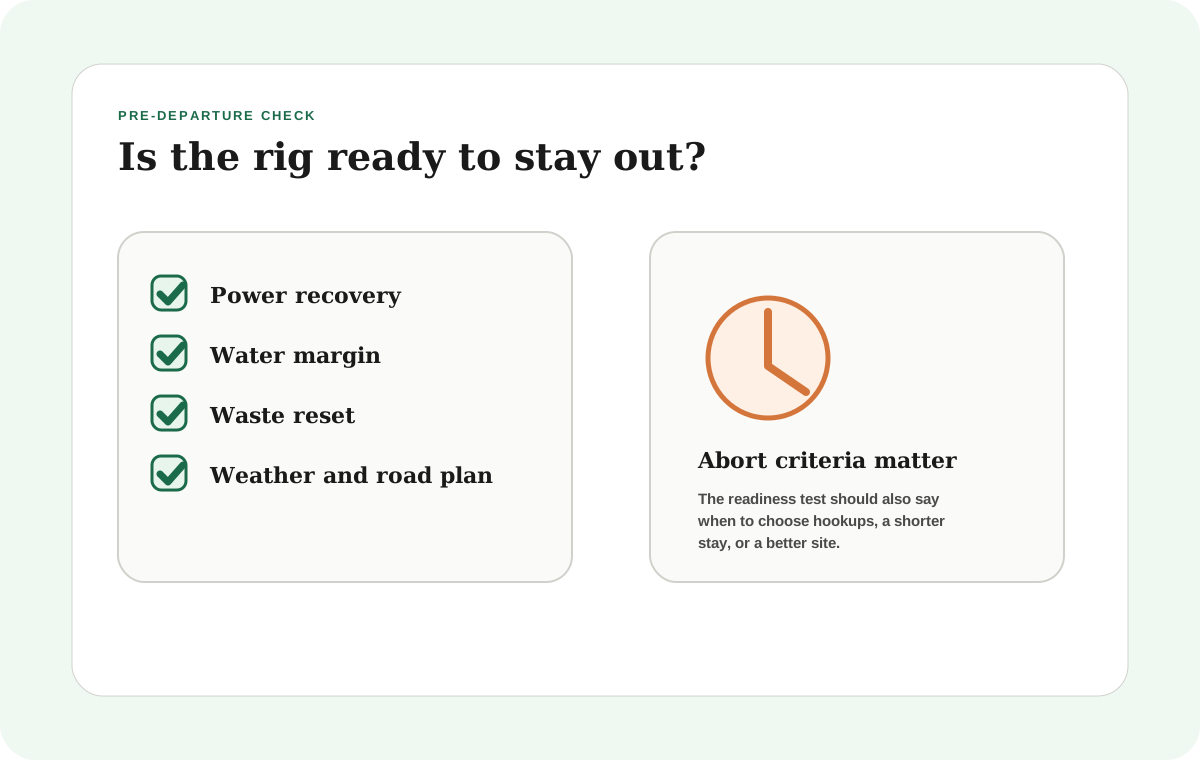
Check legal access, fire restrictions, heat forecast, wind forecast, water reset, road surface, and whether the rig can turn around.
Desert camps reward preparation fast
Desert boondocking can be wonderfully simple: open horizons, strong solar, quiet space, and fewer trees fighting the roof array.
It can also punish casual planning quickly.
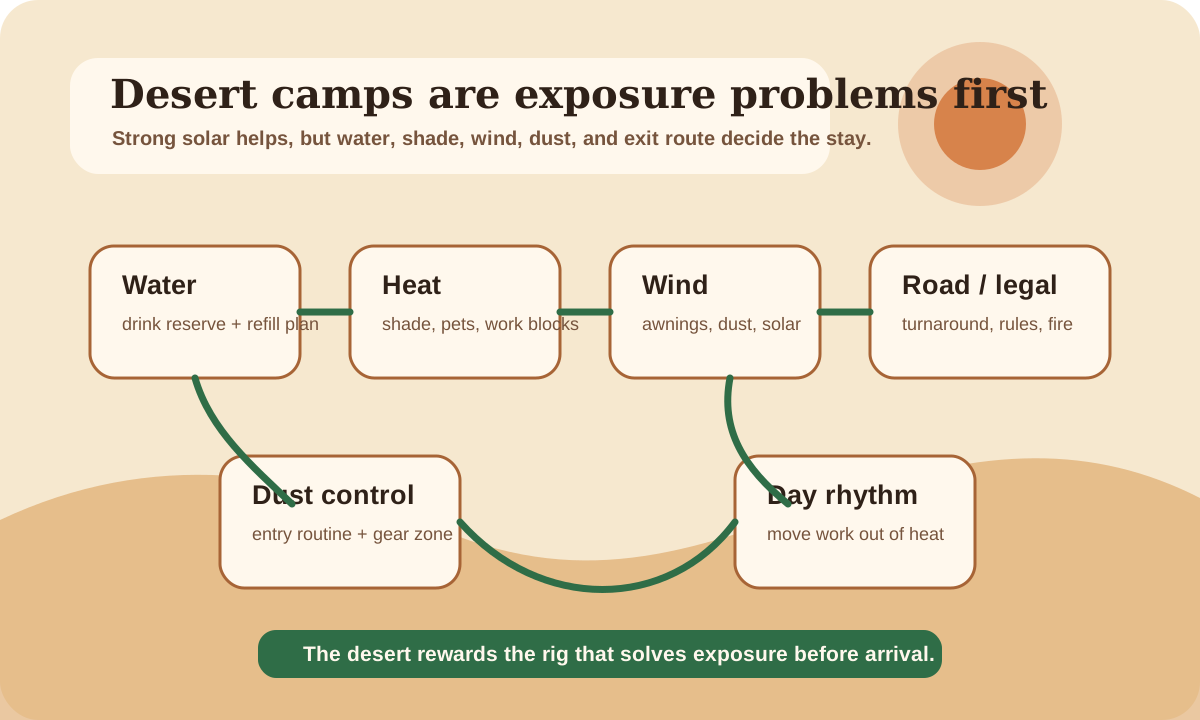
The main desert problem is exposure. The rig is exposed to sun, wind, dust, distance, and road surface. The people are exposed to heat, dehydration, glare, and fewer easy resets. The campsite may be legal and beautiful while still being a bad fit for the day.
That is why a desert checklist should start with operating limits, not gear.
The desert planning table
Compare
Desert boondocking scenarios
Use one comparison matrix to scan the practical differences. Small screens stack each row; wider screens keep the first column pinned.
| Spec | Cool-season desert | Shoulder-season heat | Remote desert route |
|---|---|---|---|
| Best fit | Longer stays with manageable temperatures | Shorter stays with shade and water discipline | Experienced rigs with recovery, tires, and route confidence |
| Main risk | Wind, dust, cold nights, generator noise nearby | Heat illness, pet safety, fridge load, water use | Road damage, no service, no easy refill, fire restrictions |
| Water plan | Full tank plus drinking reserve | Extra drinking reserve and shorter stay plan | Known refill/reset before entering the route |
| Power plan | Solar usually helps, but nights can still draw heat loads | Fans/fridge/ventilation can eat the solar gain | Recovery gear and communication may matter more than daily comfort |
| Best decision | Pick wind-aware orientation and legal space | Shorten the stay before heat becomes the trip | Turn around early if the access road feels wrong |
Water deserves top billing
Desert water planning should answer three questions:
- How much will we drink?
- How much will we use for the RV?
- How far is the next reset if either answer is wrong?
A simple baseline for many RVers is to plan drinking water separately from tank water. That way a plumbing mistake, gray-tank issue, or conservation failure does not threaten the most important reserve.
For a two-person weekend in mild conditions, the fresh tank might feel generous. In hot, exposed weather with pets, showers, dust cleanup, and longer outdoor time, the same tank can feel much smaller.
Run the water calculator before assuming tank capacity equals stay length. Then read the water conservation guide if gray capacity or cleanup habits usually end the trip early.
Do not let the fresh tank become the drinking reserve
Desert trips are calmer when dedicated drinking water stays separate from general tank water. If the pump, tank, or gray capacity changes the plan, people and pets still need a clean reserve.
Shade and orientation are campsite decisions
In the desert, parking orientation is part of the comfort system.
Before leveling, think about:
- where the afternoon sun will hit
- whether the fridge wall will bake
- where the entry door opens
- whether the outdoor work or cooking area will be usable
- whether solar access and shade needs are fighting each other
Sometimes the best orientation for solar is not the best orientation for people. That is the tradeoff. If the day is hot, reducing heat load may matter more than chasing every watt.
If the stay depends on solar recovery, use the solar calculator and the solar tilt and shade calculator before treating open desert sun as a blank check.
Wind changes the campsite quickly
A desert site can be calm at 2 p.m. and irritating by dinner.
Wind affects:
- awnings
- shade cloth
- portable solar panels
- camp chairs and tables
- dust inside the rig
- cooking outside
- sleep quality
- road dust from other traffic
The practical rule is simple: if a setup cannot be stowed quickly, think hard before deploying it.
That is especially true for awnings. They are comfort tools, not wind anchors. If wind is in the forecast, simpler shade may be smarter than a large exposed sail attached to the side of the RV.
Fire restrictions and public-land rules come before the perfect site
Desert boondocking often happens on BLM, state, county, or mixed-ownership land. Rules can change by district, season, fire danger, and local closures.
Before settling in, verify:
- whether overnight camping is allowed
- stay limits
- fire restrictions
- whether campfires, charcoal, or stoves are restricted
- whether target shooting, OHV use, or other local activity affects the site
- whether the road crosses private or protected land
The legal boondocking site guide should be part of the desert workflow because old pins and app comments can lag behind current restrictions.
Road confidence matters more than scenery
Open terrain can make access look easier than it is.
Watch for:
- sand or soft shoulders
- washboard that shakes cabinets and wiring
- ruts from storm runoff
- narrow two-track roads with no turnaround
- steep washes
- clay or mud after rain
- tire hazards hidden in brush or debris
The cleanest desert road decision is often the least romantic one: stop at the first good legal site that fits the rig, then scout farther without the trailer or motorhome if you want to explore.
Heat should shorten the plan before it becomes dramatic
Heat planning is easiest when it changes the schedule early.
If the forecast is hotter than expected, shorten the stay, move higher, choose a paid reset with hookups, or shift work and chores out of the afternoon. Waiting until people, pets, food storage, and batteries are already stressed turns a simple adjustment into a harder problem.
The desert gives you room to move. Use that flexibility before the site stops feeling optional.
Dust control is part of comfort
Dust is not just a cleaning chore. It affects sleep, electronics, work surfaces, clothing, vents, and mood.
A simple dust routine helps:
- keep shoes or sandals in one entry zone
- store dusty gear outside the main living path
- wipe work surfaces before the laptop opens
- close windows before road traffic or wind gusts hit
- avoid parking where your own footpath becomes a dust chute
Remote workers should treat dust control as part of the office plan. A beautiful campsite that coats the keyboard and desk by noon is not a good work site.
The desert checklist
Before leaving town:
- fill fresh water and separate drinking reserve
- check weather, wind, heat, fire restrictions, and road conditions
- save offline maps and a paid fallback
- confirm tire pressure, spare, recovery gear, and fuel
- identify the next dump, trash, water, and grocery reset
Before leaving pavement:
- check the road surface on foot or by satellite view when uncertain
- turn around early if the rig feels too large for the route
- avoid arriving after dark
- keep the first night conservative if the area is new
Once parked:
- orient for heat, wind, and solar reality
- keep shade easy to stow
- protect drinking reserve
- watch pets and people for heat stress
- keep dust routines boring and repeatable
A two-night desert example
Take a two-person trip to a legal desert site 40 minutes from the nearest water refill. The weather is comfortable in the morning, warm in the afternoon, and windy by evening.
A weak plan says: the fresh tank is full, so the trip is fine.
A stronger plan separates the limits:
- dedicated drinking water stays in the truck or RV interior
- the fresh tank handles dishes, quick rinses, and hygiene
- gray capacity is checked before the first dishwashing routine
- pets, if present, get their own reserve
- the refill location is saved before leaving service
- dinner is planned around low-water cleanup
If each person drinks roughly a gallon across a warm day and the rig uses several more gallons for cooking, dishes, and hygiene, the tank can shrink faster than the campsite mood suggests. Add wind-driven dust cleanup or a hotter-than-expected afternoon and the margin disappears.
That is why desert water planning should include the next reset, not just the starting tank.
Final thought
Desert boondocking is not automatically harsh. In the right season, with the right route, it can be one of the cleanest ways to dry camp.
The trick is respecting the exposure. Plan water, heat, wind, rules, dust, and road exit before the site has a chance to teach those lessons the expensive way.
Frequently asked
Questions RVers usually ask next.
What is the biggest desert boondocking mistake?
The biggest mistake is treating the desert like an easy solar campsite while under-planning exposure. Water, heat, wind, dust, fire restrictions, and road access can matter more than the battery state.
How much water should I carry for desert boondocking?
Carry enough for normal use plus a separate drinking reserve. The exact amount depends on people, pets, heat, hygiene habits, gray capacity, and refill distance, so run the water calculator before relying on tank size alone.
Is desert camping always good for solar?
Often, but not automatically. Open sun helps production, but heat can increase fan, fridge, and ventilation loads. Shade decisions can also reduce solar if comfort needs override harvest.
How do I avoid getting stuck on desert roads?
Scout conservatively, avoid late arrivals, watch for sand, ruts, washboard, mud, and poor turnarounds, and stop at the first legal site that fits the rig instead of pushing deeper on hope.
Freshness note
Last checked April 21, 2026
This topic can change when products, plans, prices, campsite rules, or fit guidance move. These notes show what was reviewed most recently.
This review included
- Checked National Weather Service and CDC heat-safety guidance for heat illness, hydration, and exposure planning.
- Checked BLM fire restriction routing and NPS desert safety guidance for legal, fire, and water-risk reminders.
- Expanded the checklist with a desert exposure visual, official source grid, scenario table, water math, and stronger route planning guidance.
Recent change log
April 21, 2026
Expanded the desert boondocking checklist with official heat/fire/desert safety sources, a custom exposure visual, water math, and route-specific planning checks.
April 17, 2026
Published desert boondocking checklist with verified safety guidelines and current product links.
Broader editorial corrections are tracked on the Corrections and Updates page.