Safety checks before the first weekend away
A short trip does not need a complicated build, but it still needs a safe platform. Tires, carbon monoxide, generator placement, and weather can matter more than another accessory.
Weekend rigs should optimize for ease, not maximum independence
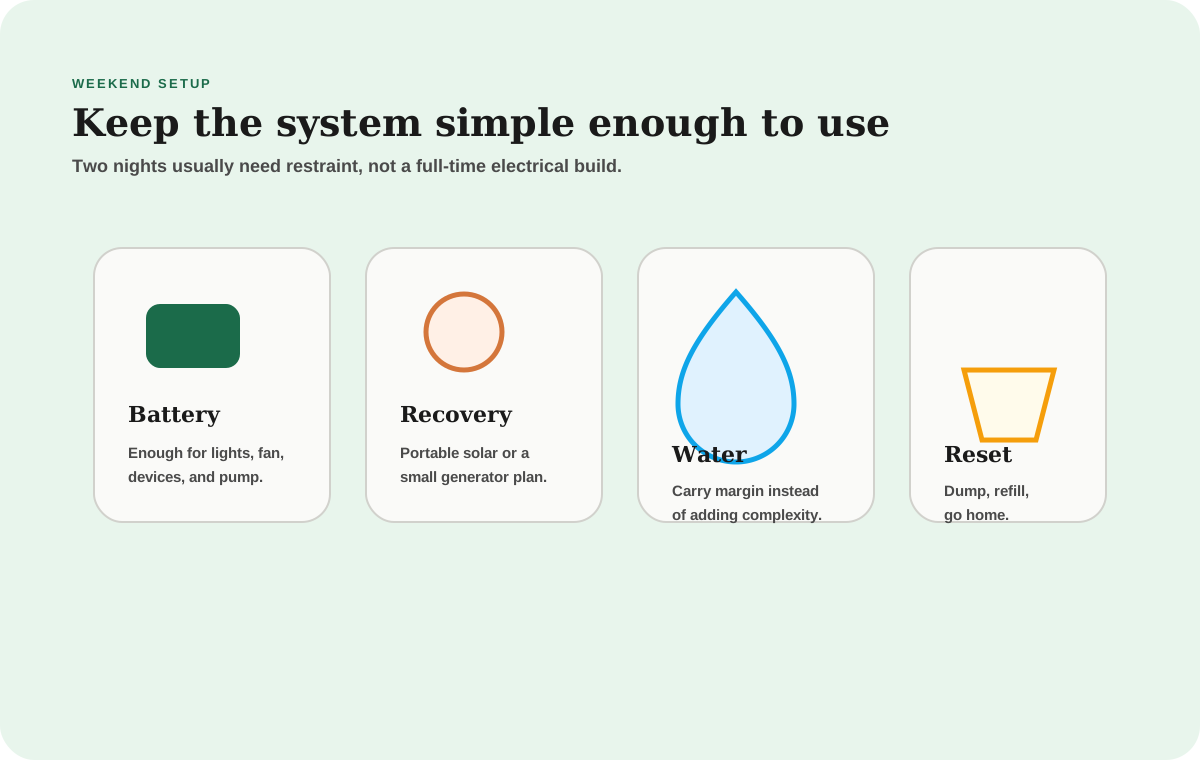
A weekend off-grid setup has a different job from a full-time off-grid system. It does not need to absorb every possible scenario. It needs to make short trips easy, calm, and repeatable.
That difference changes the right level of investment.
For weekend travel, the best upgrades usually:
- reduce Friday departure stress
- make battery and water use visible
- prevent obvious safety mistakes
- support the comfort loads your crew actually uses
- reset cleanly on the way home
The expensive mistake is building for an imaginary six-week desert stay when the rig mostly takes two-night forest trips.
If you are not sure where to start, read the first off-grid upgrades guide and the boondocking beginner guide. Weekend rigs improve fastest when the first upgrades remove friction.
Start with the trip pattern you repeat
Before buying gear, write down the weekend you actually take.
Useful questions:
- Is the normal trip one night, two nights, or three nights?
- Are you usually in mild weather or running fans and furnace blowers?
- Does the fridge run on propane, 12V compressor power, or a residential inverter setup?
- Are you camping with kids, pets, or remote-work gear?
- Do you drive every day or stay put?
- Is there an easy dump and refill route on the way home?
Those answers decide whether the rig needs a small confidence setup or a real off-grid system.
Compare
Compare fast
Use one comparison matrix to scan the practical differences. Small screens stack each row; wider screens keep the first column pinned.
| Spec | One-night tester | Two-night weekend | Three-night comfort trip |
|---|---|---|---|
| Primary goal | Learn the rig without overbuying | Handle normal lights, pump, fans, and devices | Add margin for weather, family use, and slower reset |
| Power focus | Battery monitor and charged house bank | Modest solar or generator backup | More battery, cleaner charging, better load habits |
| Water focus | Know fresh and gray levels | Basin dishes and short showers | Extra drinking water and a dump/refill plan |
| Common overbuild | Buying a full solar kit before measuring loads | Adding panels while ignoring old batteries | Building like a full-timer without full-time use |
A realistic weekend power budget
A simple weekend power plan starts with the loads that make the trip comfortable:
- LED lights
- water pump
- roof fan
- furnace blower if nights are cold
- fridge controls or compressor fridge draw
- phone and tablet charging
- small inverter use
- CPAP, if needed
- laptop or camera charging, if that is part of your trip
For many weekenders, the first upgrade is not more solar. It is knowing what the battery is doing. A shunt-style battery monitor can prevent the classic mistake of guessing from a vague voltage reading.
A practical two-night plan might look like this:
- 300-600Wh for lights, pump, fans, and controls
- 300-900Wh for a compressor fridge or heavier DC loads
- 100-300Wh for phones, tablets, and small devices
- 200-800Wh for furnace blower use if the nights are cold
- extra margin for mistakes, clouds, and longer camp time
That range is wide because rigs vary. The point is to model your loads instead of buying by vibes. Use the battery calculator and solar calculator before deciding whether a 200Ah starter bank, portable solar panel, or small generator backup is the better move.
Water and waste are weekend comfort systems
Weekend trips are short enough that water can seem too simple to plan. That is when people get surprised on the second morning.
For a two-night trip, the big controls are:
- drinking and cooking water carried separately if the tank is small
- basin dishwashing
- wiping pans before washing
- short water-on shower routines
- knowing whether gray tank or fresh tank is the limiter
- starting with waste tanks managed correctly
Use the water calculator and the bathroom and waste strategy guide together. Fresh water and gray capacity move as a pair. The water you use indoors usually has to go somewhere.
Food storage and cooking decide how easy camp feels
Food planning is not only about meals. It affects power, water, trash, cooler space, and cleanup.
For weekend off-grid travel, the cleanest meals usually:
- use fewer pans
- avoid long electric cooking loads
- produce predictable trash
- keep cooler or fridge opening time reasonable
- make cleanup easy without running water
If the rig has a residential fridge or an inverter-heavy kitchen routine, the weekend power budget changes fast. If the rig uses propane for cooking and fridge support, the electrical system may stay much smaller.
This is why two rigs with the same battery can feel completely different. The setup is not only hardware. It is how the weekend is lived.
Safety belongs in the setup, not the afterthought
A weekend setup should include the unromantic checks:
- tire pressure and load before departure
- battery and propane compartment awareness
- carbon monoxide detector function
- smoke detector function
- generator placement away from windows, doors, and vents
- fire restrictions and weather forecast
- enough leveling and chocking gear for the site
Do not bury these behind gear shopping. A small weekend system that is safe and repeatable beats a flashy setup with poor tire, generator, or CO habits.
Do not let backup power create a new hazard
A portable generator can be a useful weekend reset tool, but only if it is placed and used safely. Carbon monoxide risk matters even when the generator is outside.
Choose the smallest setup that solves the real friction
Compare
Compare fast
Use one comparison matrix to scan the practical differences. Small screens stack each row; wider screens keep the first column pinned.
| Problem you feel | First fix | Do not jump straight to |
|---|---|---|
| Battery anxiety | Battery monitor and a realistic load list | A full roof solar build before you know the loads |
| Second-morning water pressure | Basin dishes, extra drinking water, gray awareness | Bigger containers without a dump and refill route |
| Cold nights | Furnace blower budget, bedding, propane check | Assuming the battery will behave like it did in mild weather |
| Departure chaos | Packed bins, staged checklist, known reset routine | More gear that adds prep time every Friday |
Weather decides whether the simple setup is enough
The same weekend setup can feel generous in spring and tight in winter. Weather changes the loads that run for hours.
Cold nights add furnace-blower demand. Hot weekends add fan time, shade hunting, fridge cycling, and more drinking water. Wind can make outdoor cooking harder and push more meal prep inside. Rain can turn an easy outdoor cleanup plan into indoor dishes and wet gear.
That does not mean every weekend rig needs a full-time system. It means the pre-trip plan should ask what this weekend is asking from the rig.
Use a simple rule:
- mild weather: keep the setup small and watch habits
- hot weather: protect shade, fridge behavior, drinking water, and fan time
- cold weather: budget furnace blower use and battery reserve before bed
- stormy weather: plan indoor cooking, wet storage, and earlier departure options
If the forecast changes the answer, that is useful information. A weekend system should be simple, but it should not be blind.
Plan the reset before you leave home
Weekend trips work best when the reset is part of the trip, not an extra chore that waits for a tired Sunday night.
A good reset plan names:
- where the tanks get dumped
- where fresh water gets refilled or drained
- when the battery gets recharged
- what food and paper goods need restocking
- where wet gear dries
- what failed and needs fixing before the next trip
That last item is important. Weekend systems improve quickly when every trip produces one small adjustment. Maybe the cooler location was annoying. Maybe the battery monitor proved the furnace load is bigger than expected. Maybe the storage bin you thought was brilliant blocked the water pump access.
Those are not failures. They are the field notes that keep the setup lean.
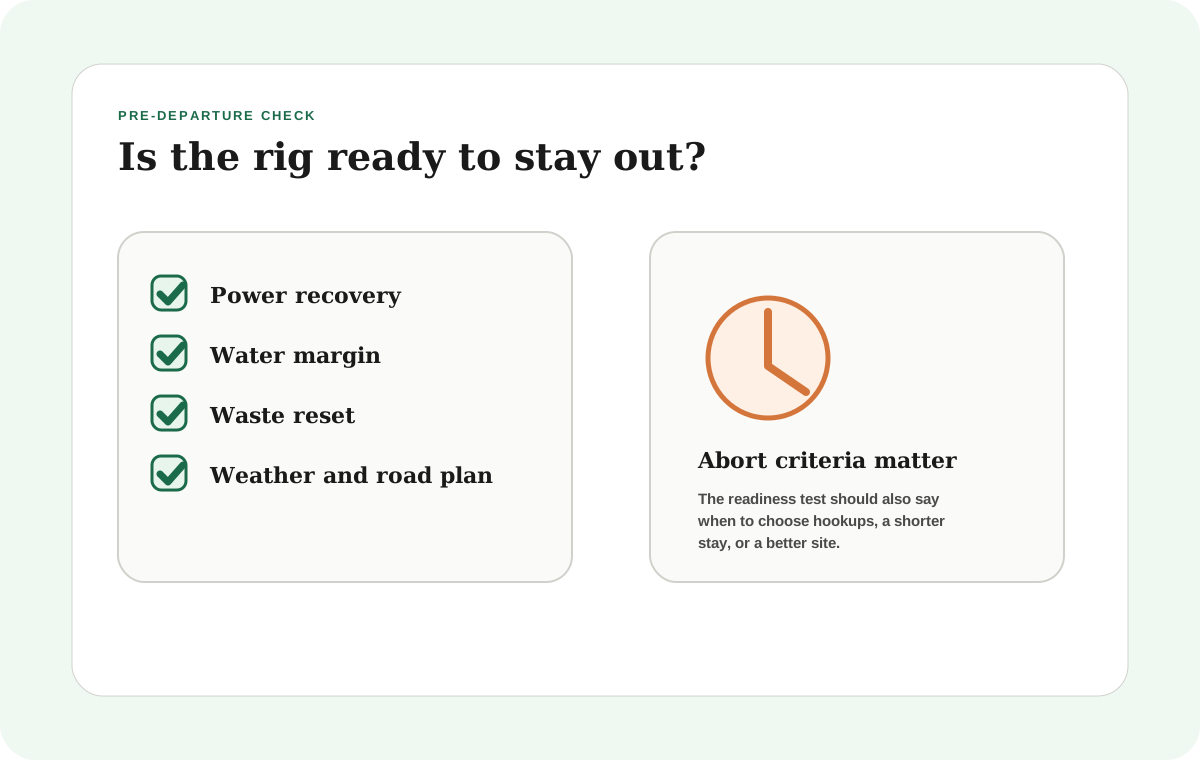
A simple weekend checklist
Before leaving:
- Charge the house bank fully.
- Confirm propane, water, and waste status.
- Check tire pressure and visible tire condition.
- Test CO and smoke alarms.
- Load food by meal, not by pantry fantasy.
- Confirm the route, weather, fire restrictions, and arrival plan.
- Decide the reset: dump, refill, recharge, and restock.
At camp:
- Watch the battery trend, not just the moment.
- Keep water-on time intentional.
- Use the fan, shade, and clothing layers before forcing electrical loads.
- Keep the departure morning simple.
After the trip:
- Dump legally.
- Refill or dry the water system as appropriate.
- Recharge the battery.
- Restock the bins before the next Friday.
This is the part that makes weekend travel scalable. The rig is ready before motivation has to carry the whole system again.
Final thought
Weekend off-grid travel should feel like freedom, not like operating a miniature utility company.
If the setup supports the normal two- or three-night trip calmly, it is doing its job. Add complexity only when a repeated problem proves the simpler system is no longer enough.
Frequently asked
Questions RVers usually ask next.
Do weekend RV trips need a full solar and battery build?
Usually not. Many weekenders are better served by battery visibility, modest charging support, water discipline, and a safe reset routine before committing to a large fixed solar system.
What matters most in a weekend off-grid RV setup?
The highest-value pieces are a known battery state, realistic water and waste habits, safe tires and generator practices, and storage that makes leaving easy.
How much battery do I need for a weekend RV trip?
It depends on fridge type, furnace use, fans, devices, and inverter loads. A light weekend may be easy on a modest bank, while cold nights or compressor fridges can make the same bank feel small. Run the actual loads before buying.
What is the biggest weekend RV overbuild mistake?
The common mistake is building around rare dream trips instead of the two- or three-night pattern the rig actually repeats. Solve the repeated friction first, then expand only when the use case proves it.
Freshness note
Last checked April 21, 2026
This topic can change when products, plans, prices, campsite rules, or fit guidance move. These notes show what was reviewed most recently.
This review included
- Checked NHTSA tire and RV safety guidance, CPSC carbon monoxide safety guidance, and Ready.gov generator safety guidance for weekend-trip readiness checks.
- Expanded the guide with weekend setup lanes, a readiness visual, comparison tables, and concrete two-night load examples.
Recent change log
April 21, 2026
Expanded the weekend setup guide with official safety references, trip-lane comparisons, a visual setup stack, and practical sizing examples.
Broader editorial corrections are tracked on the Corrections and Updates page.