How do you keep RV water lines from freezing while camping?
You keep RV water lines from freezing by protecting the exposed parts first, adding heat where water sits, and keeping water either moving or stored where the cabin stays warm. In practice that means skirting the underbelly so trapped heat holds the tanks and low lines above freezing, using a heated drinking-water hose or disconnecting the hose overnight and running off the fresh tank, heating the wet bay and any exposed pipe, and on the coldest nights letting a faucet drip so moving water resists freezing. The goal is simple: keep every drop of water in your plumbing above 32°F, the temperature at which it freezes and can split a pipe or fitting.
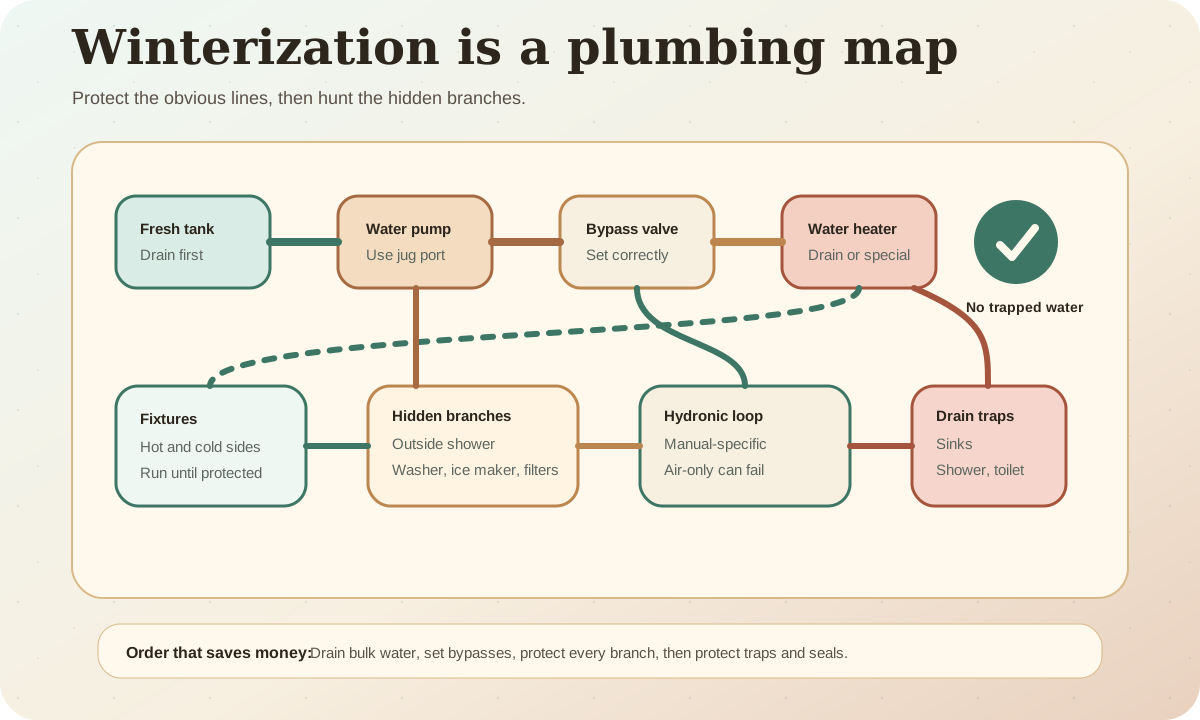
The reason this matters so much is that a frozen line is one of the fastest ways a winter trip ends. A split fitting or a cracked tank turns a comfortable camp into a repair scramble, often miles from help. It is worth being clear that this is a different task from winterizing the RV, which empties the system and fills the traps with antifreeze for months of storage. Here you are doing the opposite — keeping a working water system alive in the cold — and the cold-weather boondocking guide covers how that fits the larger winter-camp plan of heat, batteries, and condensation.
Know what freezes first
Freeze protection gets much easier once you accept that not everything freezes at the same time. The National Weather Service's cold-safety guidance makes the underlying point plainly: exposed surfaces lose heat fastest, and wind chill accelerates that loss, so the vulnerable parts of an RV plumbing system are the ones sitting in moving outside air. That means the city-water hose draped across the ground, the wet bay or "water center" if it is not heated, the dump valves and sewer connection, and any low fresh or drain line that runs outside the insulated, heated envelope. Those freeze hours before the faucet inside your warm cabin ever will.
The lines running through the living space are usually the last to go, because the same furnace keeping you comfortable keeps them above freezing — as long as warm air can actually reach them. That is why the indoor half of freeze protection is mostly about heat distribution: open cabinet and vanity doors so cabin warmth circulates around the pipes behind them, and keep the rig consistently heated rather than letting it swing cold overnight. The American Red Cross gives exactly this advice for houses, and it translates directly to an RV. Identify your exposed points first, protect those hardest, and spend less effort on the lines the furnace already guards.
Skirting and heat: the foundation
For anything beyond a single chilly night, skirting the RV is the highest-leverage thing you can do. Skirting encloses the gap between the rig's floor and the ground, trapping a buffer of still air around the underbelly where the tanks and low lines live. Add a modest, safe heat source into that enclosed space — many four-season rigs duct furnace heat into a sealed underbelly for exactly this reason — and the tanks stay above freezing on far less energy than trying to heat exposed components against open wind. A rig with a heated, enclosed underbelly package has this built in, but it only works while the furnace runs, so deep-cold stays cost propane.
Where the factory underbelly is not heated, or where you want belt-and-suspenders protection, targeted heat fills the gaps. Adhesive 12-volt tank heating pads, thermostatically controlled, hold holding and fresh tanks above freezing; heat tape or heat cable wraps exposed pipes and valves; and a heated drinking-water hose self-warms the city-water connection so the supply line itself cannot freeze. Treat the manufacturer's temperature rating on any heated hose or pad as the real limit and check it against your forecast — these devices are rated to specific lows, and a hose rated for a mild freeze is not the same as one built for a hard one. The point of all of it is the same: put a little heat exactly where water would otherwise freeze.
Freeze-protection methods compared
Compare
Ways to keep an RV water system flowing below freezing, and when each one earns its place
Use one comparison matrix to scan the practical differences. Small screens stack each row; wider screens keep the first column pinned.
| Spec | What it protects | Effort / cost | When to use it |
|---|---|---|---|
| Skirting the underbelly | Tanks and low lines | Higher setup, low running | Any multi-night sub-freezing stay — the foundation |
| Heated water hose | The city-water supply line | Moderate, plug-in power | Whenever you stay connected to a spigot in the cold |
| Tank heating pads / heat tape | Tanks, exposed pipes, valves | Moderate, 12V or AC power | Unheated underbelly or exposed plumbing |
| Disconnect hose, run off fresh tank | Removes the exposed hose entirely | Free | Overnight, especially with no heated hose |
| Drip a faucet | Keeps water moving in the lines | Free (uses water + grey tank) | The coldest nights, as added insurance |
Freeze protection at a glance
The handful of facts that keep a winter water system alive.
Freeze point
32°F (0°C)
Below this, standing water can split a line, fitting, or tank — wind chill speeds it up.
Freezes first
Exposed hose & wet bay
The city hose, dump valves, and unheated low lines go long before the cabin faucet.
Most effective
Skirting + heat
Enclose the underbelly so a little heat holds the tanks above freezing on minimal energy.
Free insurance
Move or store water
Run off the fresh tank overnight, open cabinet doors, and drip a faucet on the worst nights.
Keep water moving or store it inside
Two of the most reliable tactics cost nothing. The first is to stop relying on an exposed hose overnight: disconnect from the spigot, run off your onboard fresh tank and pump, and there is simply no exterior line left to freeze. You refill the fresh tank during the warmer part of the day and drink from the tank at night — the same simplify-the-water-system approach the cold-weather boondocking pillar recommends, here made specific. For drinking water in a hard freeze, many RVers also just keep a few jugs inside the warm cabin so a frozen supply line never leaves them without water.
The second free tactic is to keep water moving. Moving water resists freezing far better than standing water, which is why the Red Cross tells homeowners to let a faucet drip during a hard freeze — and it works the same in an RV. On the coldest nights, a slow trickle from the fixture farthest from your pump keeps a little flow through the lines, buying margin when the temperature bottoms out before dawn. The cost is the water you use and a faster-filling grey tank, so treat it as insurance for the worst nights rather than an every-night habit. Paired with cabinet doors left open so cabin heat reaches the plumbing, these two no-cost moves cover a surprising amount of cold.
Do not forget the drain side
Freeze protection is not only about the pressurized fresh lines; the drain side freezes too, and people forget it. P-traps under sinks and the shower hold standing water that can freeze and crack, and grey and black tanks with liquid in them can freeze from the bottom, especially if they sit in an unheated, unskirted underbelly. The fix borrows from winterizing without committing to it: a little RV-specific antifreeze — the pink propylene-glycol kind, not automotive — poured into the traps and a cup in the tanks lowers the freeze point on the drain side while you keep using the fresh system normally.
Beyond antifreeze, manage your tanks against the cold. Avoid leaving dump valves open or tanks sitting part-full through a hard freeze, and dump before the deepest cold window when you can, so there is less standing liquid to freeze and less risk of a valve icing shut. If your rig has tank heaters, the grey and black tanks benefit from them just as the fresh tank does. The drain side rarely gets the attention the supply line does, but a cracked tank or a frozen dump valve ends a trip just as surely — so fold it into the same plan rather than treating it as an afterthought.
A worked example: three nights at 20°F
Say the forecast is three nights bottoming out around 20°F with daytime highs near freezing. The plan writes itself once you think in layers. Before the first night you skirt the rig so the underbelly holds a buffer of still air, and you let the furnace cycle so its heat reaches the enclosed space and the cabin lines. You disconnect the city hose each evening and run off a full fresh tank, refilling midday when it is warmest, so no exposed hose sits out overnight. Cabinet and vanity doors stay open so warm air circulates around the plumbing, and you pour a little RV antifreeze into the P-traps and a cup into the grey tank.
On the coldest of the three nights, you add the free insurance: a slow drip from the bathroom faucet to keep water moving until dawn, and you keep a jug of drinking water inside just in case. Through all of it the furnace is your engine — it heats both the cabin and, in a four-season rig, the underbelly — so you watch propane and keep the batteries healthy for the furnace fan, which the cold-weather battery guide explains is its own cold-morning concern. Layered that way, a 20°F stay is comfortable and the water keeps flowing; skip the skirting and leave the hose connected, and you would likely wake up to a frozen supply line on night one.
The short version
Keeping RV water lines from freezing while you camp is about protecting the exposed parts first and adding heat where water sits. Skirt the underbelly so a little warmth holds the tanks above 32°F, use a heated hose or disconnect and run off the fresh tank overnight, heat the wet bay and exposed pipes, open cabinet doors so cabin heat reaches the plumbing, and on the worst nights drip a faucet to keep water moving. Protect the drain side with a little RV antifreeze in the traps, manage your tanks against the freeze, and remember this is the opposite of winterizing — you are keeping a working system alive, not draining it.
A cold-night freeze-protection routine
- Skirt and heat the underbelly. For any multi-night freeze, enclose the underbelly and let a safe heat source or ducted furnace heat hold the tanks above 32°F.
- Handle the supply line. Use a rated heated hose, or disconnect the city hose each evening and run off the fresh tank, refilling during the warm part of the day.
- Spread cabin heat to the pipes. Open cabinet and vanity doors and keep the rig consistently warm so the furnace guards the indoor lines.
- Protect the drain side. Add RV antifreeze to P-traps and a cup to the grey and black tanks, and avoid leaving valves open or tanks part-full through a hard freeze.
- Add free insurance on the coldest nights. Drip a faucet to keep water moving and keep drinking water inside the warm cabin as a backup.
Heat sources and propane both demand care
Never use an open flame or an unvented heater to warm an underbelly or wet bay, and keep any heat tape, pad, or space heater rated and installed for the job — fire and carbon-monoxide risk are real in cold, closed-up RVs, so keep working smoke and CO alarms. Watch propane levels and battery state of charge, since the furnace that protects your plumbing depends on both. These planning steps do not replace your appliance and heater manuals or your rig's cold-weather ratings.
Official cold-weather references
Verify the forecast and the freeze tactics from the source before a hard-freeze trip.
Frequently asked
Questions RVers usually ask next.
At what temperature do RV water lines freeze?
Water freezes at 32°F (0°C), but exposed parts freeze first and wind chill speeds it up, so the city-water hose, wet bay, and unheated low lines can freeze while it is only a little below freezing. The lines inside a heated cabin last much longer because the furnace keeps them warm.
Is keeping water lines from freezing the same as winterizing?
No — they are opposites. Winterizing drains the water system and fills the traps with antifreeze for storage, while freeze protection keeps a working system flowing in a rig you are still living in. This guide is about the second job; the winterization guide covers the first.
What is the most effective way to protect tanks in the cold?
Skirting the underbelly so a heat source can hold the enclosed space above freezing is the highest-leverage measure for multi-night cold. A four-season rig with a heated, enclosed underbelly does this from the factory, but only while the furnace runs. Tank heating pads add targeted protection where the underbelly is not heated.
Should I leave a faucet dripping in my RV when it freezes?
On the coldest nights, yes, as added insurance — moving water resists freezing, which is why the Red Cross recommends a drip for houses too. The cost is the water you use and a faster-filling grey tank, so treat it as protection for the worst nights rather than every night.
How do I keep the city-water hose from freezing?
Use a thermostatically heated drinking-water hose rated for your forecast low, or simply disconnect the hose each evening and run off your onboard fresh tank and pump so there is no exposed line to freeze. Refill the fresh tank during the warmer part of the day.
Freshness note
Last checked June 6, 2026
This topic can change when products, plans, prices, campsite rules, or fit guidance move. These notes show what was reviewed most recently.
This review included
- Grounded the freeze point and wind-chill effect in National Weather Service cold-safety guidance and the keep-water-moving / open-the-cabinet / insulate tactics in American Red Cross frozen-pipe guidance, adapted to an RV.
- Described heated hoses and tank heaters at the mechanism level and told readers to check the maker's temperature rating rather than asserting a specific number.
- Kept this guide distinct from the RV winterization guide (which drains the system for storage) and cross-linked the cold-weather boondocking pillar for the broader winter-camp plan.
Recent change log
June 6, 2026
Published a freeze-protection guide for active winter camping: what freezes first, skirting and heat, keeping water moving or stored, protecting the drain side, a methods comparison, a worked 20°F example, and a cold-night routine.
Broader editorial corrections are tracked on the Corrections and Updates page.